
Chemicals hazardous to health are used in many Malaysian workplaces, including manufacturing facilities, laboratories, healthcare…
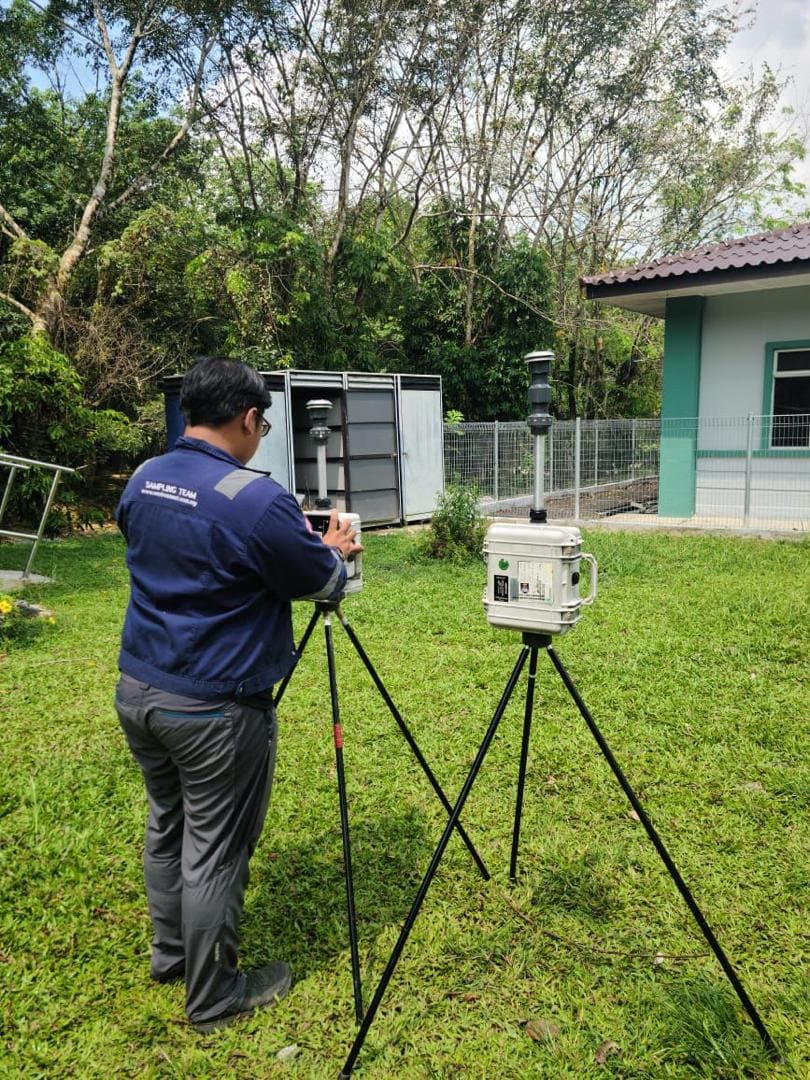
The world around us changes all the time. Occasionally, we cannot see those changes with our own eyes. Factories send out smoke, cars release fumes, and farms use chemicals that wash into rivers. These actions affect the air we breathe and the water we drink. Many people wonder if their surroundings are safe for their families. In this guide, you will learn how experts assess the health of our environment. We will look at the methods behind environmental monitoring and assessment and why this work matters for everyone.
Observing nature helps us spot troubles before they become dangerous. A river that turns murky or air that smells odd might mean pollution is present. Without proper checks, these problems could hurt people, animals, and plants. Scientists have created reliable ways to measure what is happening around us. The next sections explain how this process works and why it benefits every person in the community.
What Exactly Is Environmental Monitoring and Assessment?
Think of this work as giving nature a regular health check. Experts collect bits of air, water, soil, and even noise levels. They send these samples to a lab for careful testing and study. The results tell us if any bad stuff has crept into our surroundings. Regular checks happen weekly, monthly, or yearly based on the spot. Factories near rivers need more frequent tests than forest streams. Building sites need dust watching while they move earth and supplies. This ongoing watch creates a long record of what is normal for each place.
- Air checks measure dust and gases: Special tools catch floating bits and test for bad chemicals in the breeze.
- Water tests look for hidden risks: Lab workers search for germs, heavy metals, and chemical leftovers in liquid.
- Soil study reveals ground dirt: Experts dig small bits of earth and test for poison from past acts.
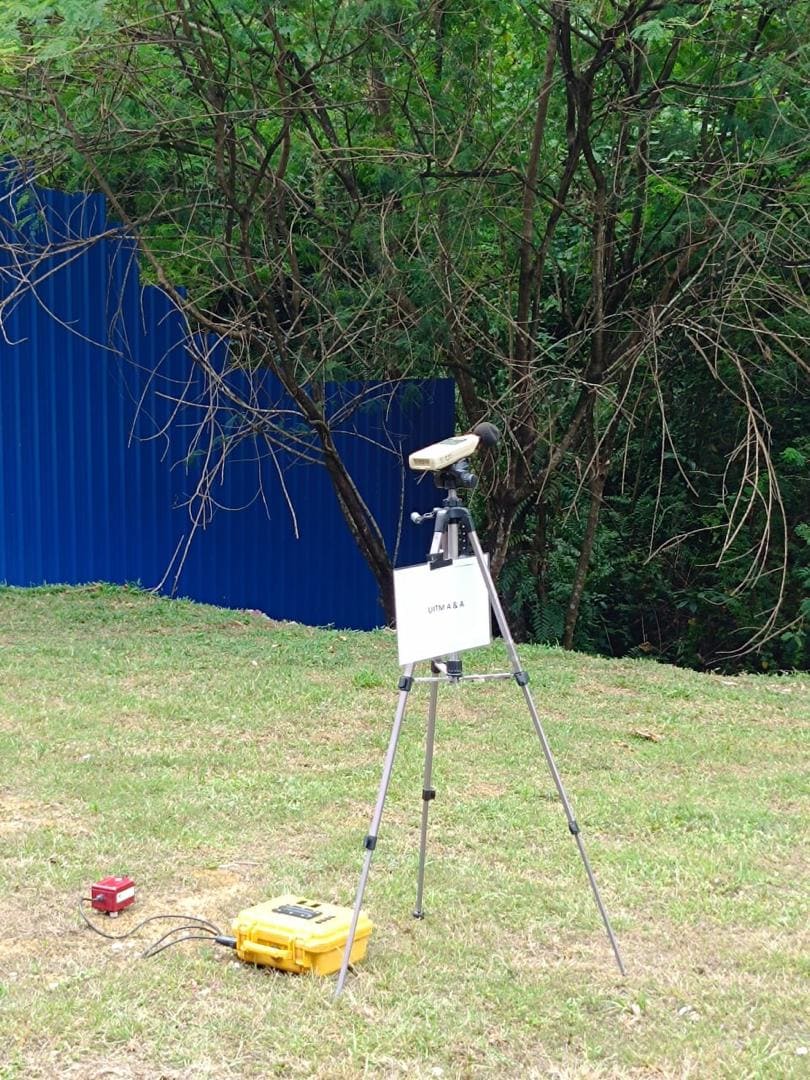
- Noise watching tracks sound levels: Simple meters record loudness from cars, machines, or shows through the day.
Importance of Environmental Monitoring and Assessment
Many people think the government handles all nature safety duties alone. But local towns also play a big part in keeping their areas clean. Good facts help everyone make better picks about daily acts. Parents feel safe letting kids play outside when air quality stays excellent. Fishers know which rivers hold healthy fish for catching and eating. Farmers learn whether their soil lacks food before planting new crops. Home values rise in spots with clean air and a steady water supply. Visitors come to places known for lovely, untouched natural views. The excellent points touch nearly every part of daily life.
1. Keeping Family Health Safe
Clean surroundings mean fewer trips to the doctor for breathing trouble. Kids grow stronger when they breathe fresh air and drink pure water.
2. Helping Local Jobs and Trade
Fishers catch more fish in clean rivers, and farmers grow better crops. Visitors spend money in places with lovely, unpolluted natural spots.
3. Saving Cash Over Time
Stopping dirt costs much less than cleaning a big mess later on. Regular checks catch small issues before they turn into costly disasters.
Different Kinds of Environmental Monitoring Services
Not every watch job looks the same across different cases. Some projects focus on the air we breathe inside factories and offices. Others check the water flowing downstream from factory zones. Land builders need soil tests before breaking ground on new homes. The table below shows the main types of checks you can get.
| Type of Watching | What It Measures |
|---|---|
| Air quality | Dust, smoke, gases, and tiny floating bits |
| Water quality | Chemicals, germs, and cloudiness levels |
| Soil testing | Heavy metals, food for plants, and poison leftovers |
| Noise-watching | Loudness from cars, machines, or shows |
| Trash tracking | Proper removal and leaks from dumps |
Each type serves a different goal for keeping public health safe. A & A Scientific Resources handles many of these watch tasks for clients across Malaysia.
How It All Works, Step by Step
Pro watching follows a clear path from start to end. Skipping any step can spoil the whole process and waste time. Each phase builds on the one before to create trusted results. The steps below show how experts go from the field to final answers.
Step 1 – Getting to Know the Site
Experts first visit the spot to learn its unique features and risks. They note nearby factories, roads, farms, or housing areas.
Step 2 – Collecting Samples
Workers gather air, water, or soil using special tools and clean pots. Each pot gets a tag showing the exact date and place.
Step 3 – Testing in the Lab
Samples go to a lab where machines measure bad stuff cautiously. Trained staff run each test twice to check the numbers.
Step 4 – Making Sense of the Data
Scientists match the lab numbers against national safety rules and limits. Any reading above the allowed level needs more study.
Step 5 – What We Recommend Afterwards
A written report tells the findings and suggests fixes for any troubles. Small issues might need better airflow or regular cleaning.
Common Parameters Tested in Environmental Monitoring
Different projects look for different poisons based on the spot’s use. Near factories, we search for heavy metals like lead in the soil. In farm areas, we check for bug sprays that might wash into nearby streams. Around schools, we measure dust and smoke from passing cars. We test for germs that cause belly sickness in drinking water. Each test targets the most likely threats for that special place.
- Heavy metals near factory zones: Lead, mercury, and cadmium can leak from factory waste into nearby soil and water.
- Bug sprays in farm areas: Chemicals used on crops can wash into streams during big rains and harm fish.
- Dust and smoke near schools: Tiny bits from cars and buildings can set off asthma in young kids.
- Germs in drinking water: Bad bugs like E. coli cause belly pain and fever if people swallow them.
The Tools and Tech That Help Us Do It
Today’s watching uses smart tools that make the job faster and more exact. Small sensors can now read air quality right away without sending samples away. Drones fly over big areas to spot dirt from above in minutes. Satellites track changes in woods, rivers, and coasts from outer space. These tools let experts cover more ground with fewer people. Live data flows into computers that point out troubles as they occur.
1. Small Air Sensors
Handheld devices give instant readings of dust and gas levels anywhere. Workers know within seconds if a spot needs closer study.
2. Drones for Sky Views
Small flying cameras reach places that humans cannot easily walk to. They spot illegal dumping or leaks from high above the ground.
3. Satellites from Space
Orbiting cameras track forest loss, river changes, and town growth patterns. This bird’s-eye view shows big trends over many years.
Following the Rules: DOE Malaysia and Environmental Laws
Malaysia has clear laws about how much dirt different sites can send into nature. The Department of Environment (DOE) sets these limits and enforces the rules. Factories must send regular watch reports to prove they obey the law. Not meeting rules can lead to fines or even closure orders. Environmental monitoring and assessment help firms comply with these rules. Regular checks catch small troubles before they turn into legal problems.
- Send reports on a set schedule: Factories give batch results to DOE every three months for review and filing.
- Keep papers for five full years: Firms must store all past reports in case officials ask for a check later.
- Fix violations within a set time: The law gives a certain number of days to resolve any issue found.
- Face fines for repeat breaks: Ongoing violations can lead to court action and big penalties for the firm.
Why Hiring Professionals for This Makes a Real Difference
Some people think they can handle nature watching on their own using simple kits. But true measurement needs training, the right tools, and tested labs. A slip in sample taking can spoil the whole set of results. Pros know exactly where and when to take samples for the truest view. They also get what the numbers mean and how to fix troubles.
1. Right Training for True Results
Experts spend years learning how to take samples without adding outside dirt. A small slip in handling can change the final numbers a lot.
2. Tested Labs for Trusted Answers
Pro labs follow strict quality rules that home kits cannot match. Each machine gets set each day to keep every reading correct.
3. Clear Talk of Hard Data
Scientists turn confusing numbers into simple advice that anyone can follow. You learn what the results mean for your family or work.
Why Choose Our Laboratory
UiTM – A&A Laboratory holds SAMM accreditation from Malaysia’s Department of Standards. Skilled chemists understand industry waste challenges. Each sample follows a strict chain of proof from collection to final report.
- Accredited since 1995 – Received SAMM accreditation over 25 years ago.
- University-backed – Official alliance with Universiti Teknologi MARA since 2005.
- Award-winning – Received the IKM Quality Award for chemical lab testing in 1995.
- Decades of experience – Serving Malaysian industries, government bodies, and universities since 1993.
- Full chain of proof – Every sample tracked from collection to final report.
Modern equipment finds pollutants at very low levels with high accuracy. Flexible scheduling works for routine rule testing and emergency response. Clear reports explain what your results mean for your operations.
Conclusion
Watching over nature helps everyone breathe easier and drink safer water. Small acts in watching stop big disasters from happening down the road. Towns that track their environment build healthier lives for their kids. Regular checks also save cash by catching troubles early before they grow big. The process sounds hard, but pro teams make it simple and painless. Environmental monitoring and assessment give us the power to guard what matters most. A cleaner world starts with paying attention to the world around us.
Related Posts


