
The world around us changes all the time. Occasionally, we cannot see those changes with…
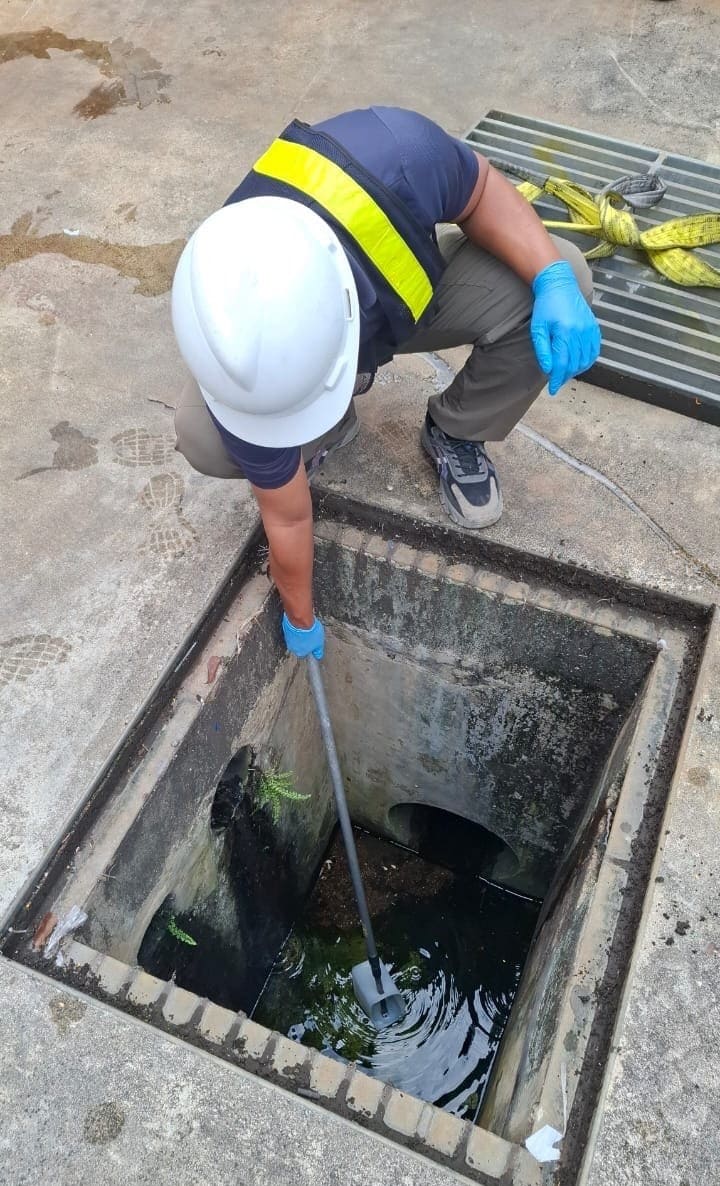
Factories and plants use a lot of water every day. That water leaves the factory carrying chemicals and waste. Dumping dirty water into drains hurts rivers, kills fish, and dirties the water people drink. Many factory owners now know they need to test what leaves their buildings. This article explains why waste water analysis keeps nature safe and factories out of trouble.
Dirty water from factories causes damage that costs a lot of money to fix. Governments now have strict rules about what companies can put into public water. Breaking those rules brings big fines and could even close your factory down. Testing your waste water before it leaves your property stops these problems before they start.
What is Waste water Testing?
Waste water testing simply means checking the water that flows out of a factory. You take samples, send them to a lab, and workers measure what is in the water. These tests tell you if your waste meets legal limits for dumping into sewers or rivers.
The tests look for chemicals, metals, germs, and other dirty stuff that hurts the environment. Each type of factory makes different waste depending on what they produce. A food factory makes organic waste, while a metal factory puts out heavy metals. Testing tells you exactly what comes out of your pipes so you can clean it up.
Why Waste Water Testing Matters
Regular testing stops accidental pollution that could ruin local rivers and kill the fish living there. One catastrophic release can kill all life in a stream for miles. Finding problems early lets you shut down bad processes and resolve the issue fast.
Big reasons why waste water analysis matters for every factory:
- Keeps rivers and fish safe from poisons. Heavy metals and other toxins kill fish, plants, and other living things in rivers. Regular testing catches dangerous stuff before it reaches natural water.
- Protects people’s health and drinking water. Dirty water that goes into rivers can travel to water treatment plants. People need clean water for drinking, washing, and farming every day.
- Avoids big fines and factory shutdowns. Government agencies fine companies that dump illegal waste into public water. Repeat problems can lead to court orders that stop your production completely.
Testing also protects your company from lawsuits. Regular testing builds trust with regulators and with neighbours who live near your factory.
Different Types of Testing Services
Labs offer different testing packages based on your industry and what rules you need to follow. Basic testing checks pH, temperature, and floating solids for routine rule checks. To ensure complete safety, full testing encompasses heavy metals, poisons, and organic compounds.
1. Regular Rule Testing
This service covers the standard tests that most industries need for normal permit checking. You get results that prove your waste meets legal limits for basic pollutants. Most factories are tested monthly or every three months depending on their permit.
2. Emergency Testing
When something goes wrong with your cleaning system, you need fast answers to stop the damage. Emergency testing prioritises your samples for faster results. You find out what leaked and how much within hours instead of waiting days.
What Gets Tested in Waste water
Every waste water sample goes through tests to measure different types of pollution. Some tests look at things that affect whether water can support life. Other tests check how well your cleaning system is working.
1. Physical Things They Measure
Temperature, colour, smell, and floating solids fall into this group of measurements. Hot water kills fish, while floating solids block fish gills and block sunlight in the water. These physical tests often cost less than chemical tests but give you useful basic information.
2. Chemical Things They Measure
pH level, dissolved oxygen, and conductivity tell you about the water’s chemical makeup. Water that is too sour or too bitter hurts pipes and harms living things in rivers. Low oxygen levels mean organic waste is using up the oxygen that fish need.
3. Poisonous Pollutants
Heavy metals like lead, mercury, chromium, and cadmium need special testing because legal limits are very low. These poisons build up in fish and shellfish, making them unsafe for people to eat. Even tiny amounts of heavy metals can violate regulations and be expensive to clean up.
Lab Tools Used for Testing
Modern lab tools find pollutants at very low levels that older methods could not detect. Labs spend a lot of money on machines that give accurate, legal results for regulators.
1. Light Testing Machines
This method shines light through a water sample and measures how much the liquid soaks up at certain light bands. Different chemicals soak up light at unique bands, which lets the machine find and measure them. These machines handle many common tests like phosphate, ammonia, and nitrate.
2. Gas Separation Machines
Gas separation machines break complex mixtures into single chemicals for finding and measuring. The machine heats the sample until it turns into gas, then pushes it through a long coiled tube. Different chemicals move through the tube at different speeds, letting the machine separate and count them.
Testing Process Step by Step
The testing process follows four main steps from your factory to the final paper. Each step needs care and accuracy to produce useful results.
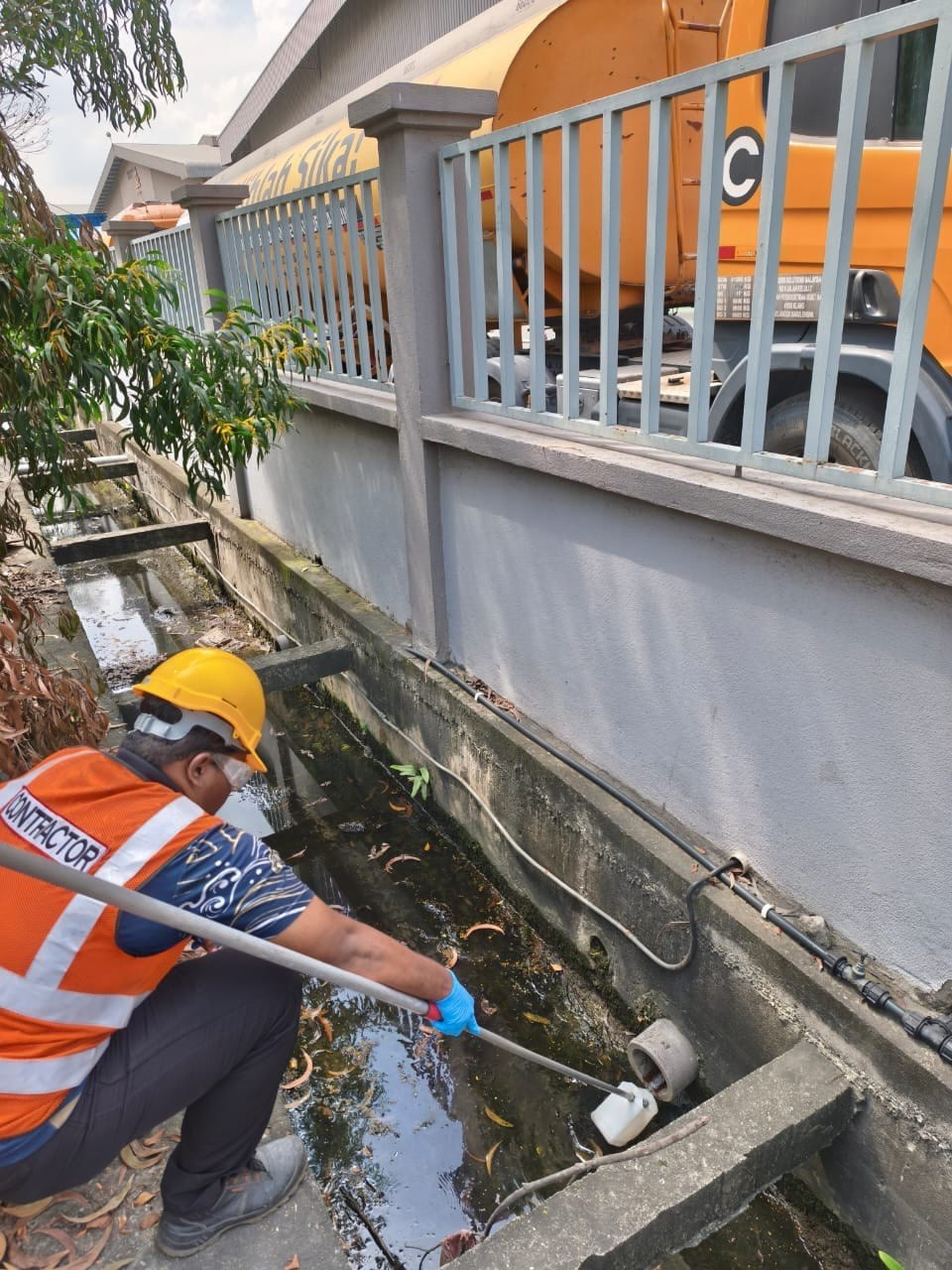
Step 1 – Taking Samples
Good sampling starts with using clean bottles that will not add dirt to the water. You fill each container following strict rules about how much and how fast. Some tests need you to add preservatives right away to stop chemical changes during shipping.
Step 2 – Lab Testing
Workers get your samples and write them into their tracking system as soon as they arrive. They run each test using approved methods that give legal results for court or regulators. Quality checks make sure tools stay correct and give accurate readings.
Step 3 – Making Sense of the Numbers
Raw test numbers mean nothing without context about your industry and legal limits. Experts compare your results against allowed discharge levels set by environmental authorities. They flag any measurements that go over the limit and need your immediate attention.
Step 4 – Getting Your Report
The lab sends you a clear report that shows each test result next to the legal limit for comparison. You get advice for fixing problem areas where pollution levels run too high. This advice helps you adjust processes before regulators show up for a surprise check.
Malaysia’s Environmental Rules
Any premises that discharge or release industrial effluent onto or into any soil or inland water shall comply with the requirements of the Malaysian Department of Environment (DOE) under the Environmental Quality (Industrial Effluent) Regulations 2009.
The important rules that every factory must follow:
- Send regular test results to prove your waste meets legal standards. The DOE wants reports on waste water testing from approved labs on a set schedule. Missing a due date brings automatic fines no matter what your actual water quality is.
- Keep thorough records of all testing for at least three years. Regulators can ask for past data during checks to see that you stay within the rules. Keeping records on a computer makes finding them faster and cuts down on lost papers.
- Tell authorities about any problem within the required time. Hiding a failed test result leads to much worse penalties than telling them yourself. Quick reporting shows good faith and may make your fines smaller.
Regular waste water testing proves to regulators that your factory follows the law. Giving false data or skipping required tests brings severe penalties under Malaysian law.
Why Hire a Professional Lab
Hiring experts saves you money compared to building your own in-house testing lab. Professional labs already have certified tools, trained workers, and proven quality steps. You pay only for the tests you need without spending millions on your own lab.
1. Results That Hold Up in Court
Outside labs give fair results that regulators trust more than testing you do yourself. An independent lab has no reason to fake data or hide problems from inspectors. Courts accept professional lab reports as proof, while in-house testing faces more legal questions.
2. Faster Results
Dedicated labs test samples faster than in-house operations because testing is all they do. You get results in days instead of weeks, letting you respond to problems faster. Quick reports help you fix violations before they become formal notices from regulators.
Why Choose UiTM – A&A Laboratory
UiTM – A&A Laboratory holds SAMM accreditation from Malaysia’s Department of Standards. Skilled chemists understand industry waste water challenges. Each sample follows a strict chain of custody from collection to final report. Modern equipment detects pollutants at very low levels. Flexible scheduling covers routine testing and emergency response. Clear reports explain your results in plain language.
- Accredited since 1995 – Received SAMM accreditation (ISO/IEC 17025) more than 25 years ago.
- University-backed – Official alliance with Universiti Teknologi MARA (UiTM) since 2005.
- Award-winning – Received IKM Quality Award for chemical laboratory testing in 1995.
- Decades of experience – Serving Malaysian industries, government bodies, and universities since 1993.
- Full chain of custody – Every sample tracked from collection to final report.
The lab has served Malaysian industries, government bodies, and universities since 1993.
Final Thoughts
Protecting our water requires industries to take charge of what leaves their property. Waste water analysis gives you the data you need to clean pollution before it reaches rivers and streams. Regular testing stops accidental releases that could ruin natural areas and hurt communities. Following environmental rules keeps your factory running without fines or legal fights. Professional lab services give you accurate, trusted results that regulators accept completely. Finding problems early lets you fix processes before a small issue becomes a big problem. Clean water helps everyone, from factory workers to families downstream who need healthy rivers. Make waste water testing a priority and protect both your business and the environment.
Related Posts


