
Chemicals hazardous to health are used in many Malaysian workplaces, including manufacturing facilities, laboratories, healthcare…
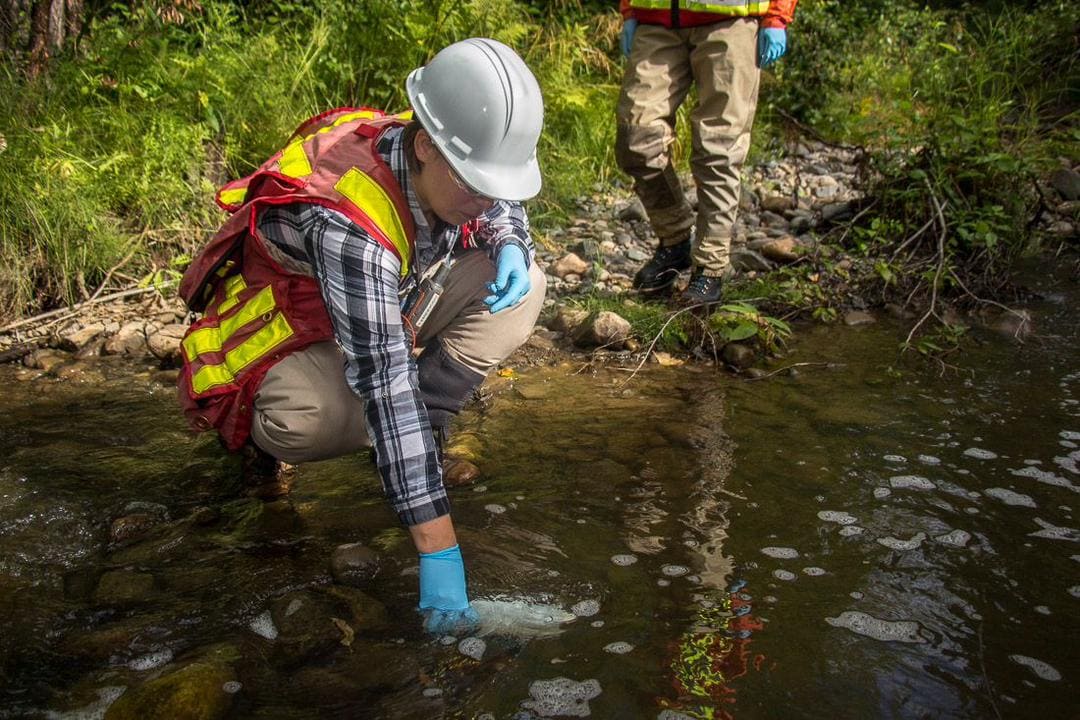
People stay healthy because they need clean water, while clean water allows them to perform their regular activities. Water sources become more polluted because towns grow and factories expand their operations. Monitoring systems which maintain strength allow people to detect dangerous substances before these substances spread throughout the environment.
The water testing laboratory serves as a vital facility which enables water quality checks and risk detection at the beginning stages. The researchers collect their samples through a process which involves careful handling of the collected material. The project establishes defences which will protect all water bodies, including rivers, lakes, and groundwater sources, from any type of harm. The system creates safe drinking water for families while it protects plants and animals which live in the surrounding environment.
What Is a Water Testing Lab?
A water testing laboratory is a special place set up to check water samples from different sources. It runs chemical, physical, and biological tests to judge water quality. These labs follow strict steps to ensure that results are correct. They help communities, factories, and government bodies by giving trusted data about water conditions.
The primary function of this laboratory involves detecting environmental contaminants which create risks for human well-being and natural ecosystems. People who know what they’re doing use advanced tools to measure pH levels and find very low levels of metals. The testing process also involves detecting bacterial contamination, together with other microscopic pathogens which pose a risk to human health. The results from these tests determine which water sources prove suitable for human consumption and industrial operations and safe disposal into natural ecosystems. Many water-related issues would stay undiscovered until they cause damage because these laboratories do not exist.
Why Water Quality Testing Matters
Water quality testing functions as the initial protective barrier which safeguards human health together with environmental safety. The assessment process identifies hidden threats which allows companies to satisfy legal requirements while helping water-dependent businesses maintain their operational needs.
1. Public Health Protection
Testing catches harmful substances before people consume them. Dirty water carries diseases or toxic chemicals that cause serious illness. Regular checks help stop such outcomes by spotting risks early and preventing widespread health issues.
2. Ecosystem Preservation
Natural waters receive discharges from many sources. When pollutants enter rivers, lakes, or seas, fish and plants suffer. Testing ensures released water meets safety standards, keeping aquatic life healthy and ecosystems balanced.
3. Industrial Support
Businesses need clean water for their work. Food makers, farms, and other operations require knowledge about their water quality. Regular analysis provides that information and helps them stay within legal boundaries.
Types of Water Testing Services
Water testing labs offer various services tailored to different needs. Each type focuses on specific sources and uses of water. Knowing these categories helps explain the full range of their work.
1. Drinking Water Testing
This service checks the water meant for people to drink. It looks for pollutants that could affect health, including bacteria, heavy metals, and chemical leftovers. Town supplies, bottled water, and private wells all benefit from such testing.
2. Waste Water Analysis
Factories and treatment plants generate water that requires cleaning before release. Waste water analysis measures pollutants in this water to make sure treatment works well. It also helps plants improve their processes and meet discharge permits.
3. Environmental Monitoring
Lakes, rivers, and groundwater need regular checks to track their state. This testing looks for changes that might signal pollution or ecosystem stress. It gives data for conservation work and policy choices.
4. Factory Process Water Testing
| Service Type | Purpose | Common Users |
|---|---|---|
| Drinking Water Testing | Make sure the water is safe to drink | Homes, towns, and bottled water firms |
| Wastewater Analysis | Check that the treatment works well | Factories, sewage plants, industrial sites |
| Environmental Monitoring | Track nature’s health | Conservation groups, government bodies |
| Factory Process Testing | Meet production needs | Manufacturers, food plants, farms |
Many industries need water of a specific quality for their operations. Testing confirms that water meets those needs, stopping equipment damage and product flaws.
Common Pollutants Found in Water
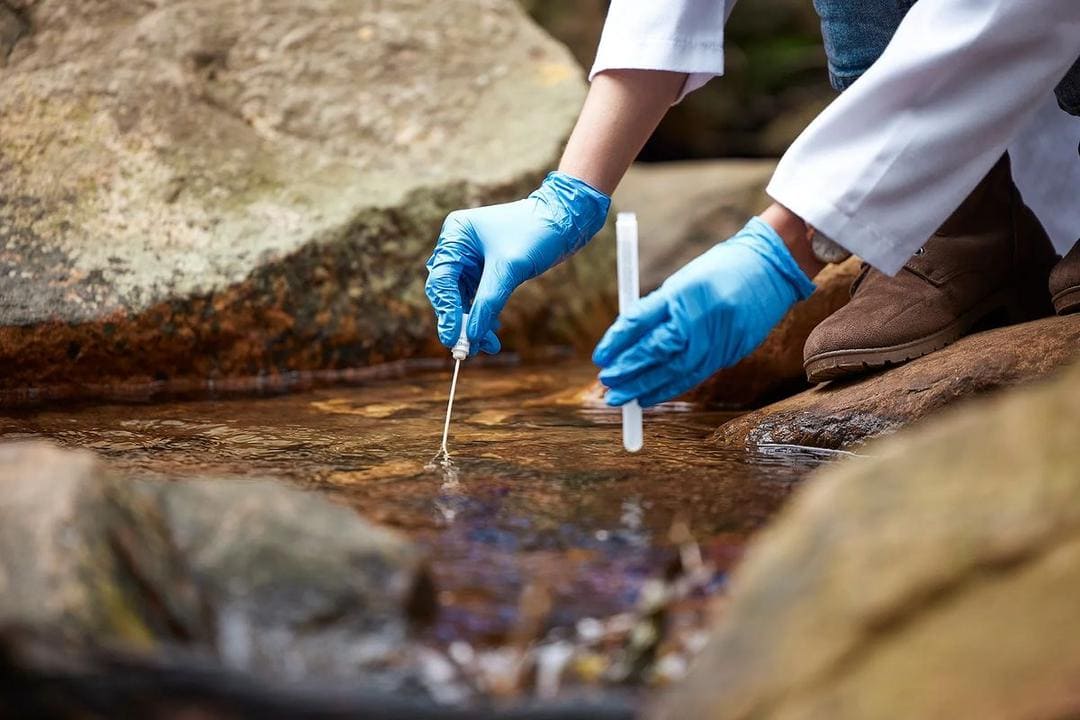
Water serves as a carrier for various types of pollutants, which bring individual sets of dangers to the environment. The testing laboratories perform their substance detection through their own unique testing protocols. The research team identifies their target subjects, which shows why their scientific studies remain essential for the community.
- Living Pollutants: Bacteria like E. coli signal waste from people or animals. These germs can cause stomach illness and point to poor sanitation. Viruses and parasites also fall in this group and need careful detection.
- Chemical Pollutants: Manufacturing plants release various chemical substances that contaminate water bodies. Heavy metals like lead, mercury, and arsenic pose serious health threats even in tiny amounts. Water supplies also absorb pesticides and weed killers from farm fields. Cleaning agents and factory by-products add to the chemical load in some areas
- Physical Pollutants: Mud and floating bits affect water clarity and can carry attached pollutants. Cloudiness tests track these materials. Temperature shifts also matter because they affect oxygen levels and water life.
- Nutrient Pollutants: Nitrogen and phosphorus from fertilisers and sewage cause too much plant growth in water. This phenomenon leads to algae blooms that steal oxygen and kill fish. Testing tracks these nutrients to stop such problems.
Methods Used in Water Testing Labs
Water samples are analyzed qualitative and quantitatively against related Malaysian Regulations. The methods are based on or as per International and Malaysian Standards i.e. USEPA, APHA, British Standard, ASTM, WHO, DOE, DOSH.
Waste Water Analysis for Nature Protection
Waste water analysis plays a key part in guarding natural waters. Factories and treatment plants release water that must meet strict quality rules. Testing confirms whether that water is clean enough for discharge. Without this check, pollutants could harm rivers and hurt water life.
Factory sites create wastewater with mixed pollutant loads. Testing helps identify these wastes, allowing for the proper setup of treatment systems. It also watches treatment performance, showing whether processes work as planned. When issues arise, testing data guides fixes that restore proper function.
Beyond merely following rules, wastewater analysis also supports water reuse efforts. Many plants now treat their water for use again inside their operations. Testing makes sure that recycled water meets quality needs for its planned use. This saves fresh water and cuts environmental strain.
Government bodies also use wastewater data to track regional trends. They watch total loads from many sources and judge effects on receiving waters. This information shapes policies that protect water resources for future years.
Drinking Water Testing for Health Safety
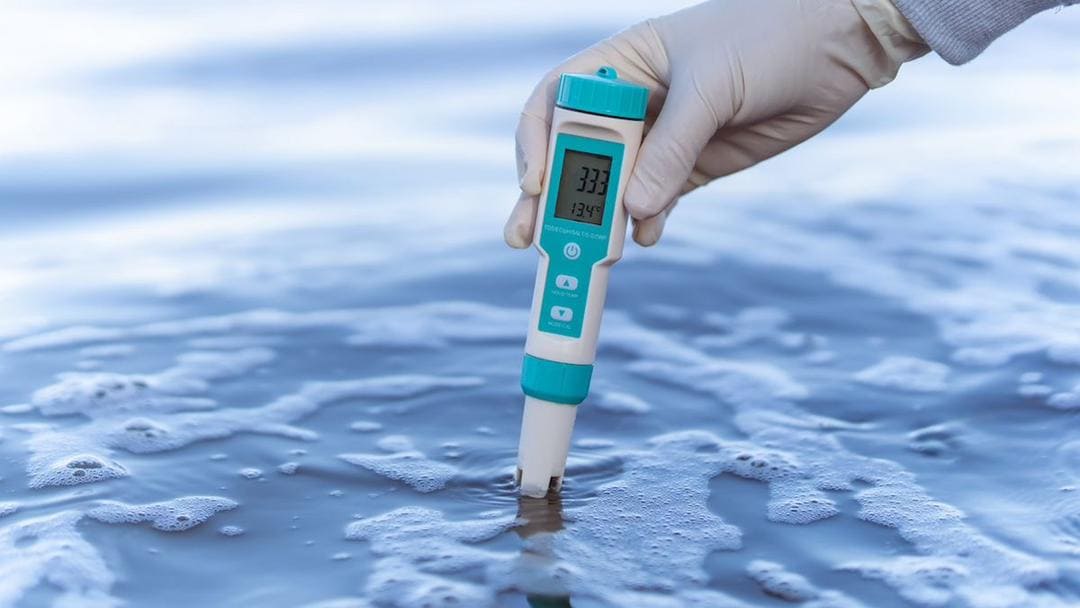
A drinking water testing lab focuses on water meant for people to drink. This work carries special weight because people directly swallow this water. Safety standards for drinking water are therefore very tight. Labs must follow exact steps to ensure trusted results.
Testing covers many factors that affect health. Germ tests look for bacteria that cause stomach illness. Chemical checks test for metals, pesticides, and factory pollutants. Physical tests judge look, taste, and smell. Each factor has a top allowed level set by health officials.
Regular testing protects communities from both quick and long-term health risks. Quick risks come from germs that cause instant illness. Long-term risks involve years of contact with low levels of toxic stuff. Testing catches both types, allowing fixes before harm occurs.
Bottled water makers also rely on drinking water testing labs. They must show that their products comply with KKM standard. Regular batch testing provides this proof and supports adherence to rules.
Water Testing Lab Services in Malaysia
Malaysia has several places offering water testing services. These labs help local communities, factories, and government bodies. Their work in compliance with Malaysia’s authorities including Department of Environment (DOE) and Department of Occupational Safety & Health (DOSH).
A trusted choice for full environmental testing is A & A Scientific Resources Sdn Bhd. As an SAMM Accredited lab in Malaysia, they offer a wide range of testing services vital for environmental safety and rule following. Their skills cover many areas, helping businesses meet tough environmental rules with correct, trusted results.
Here is what makes their lab services stand out:
- They run waste water testing on industrial effluent samples, boiler water, and swimming pools to check for harmful stuff before release.
- Their team does Microbiological testing to find harmful microbes in water that could pose serious health risks.
- They serve many fields, including manufacturing, healthcare, building, and oil and gas, shaping their approach to each industry’s special needs.
- Beyond water testing, their full service package includes air quality checks, environmental sampling, and rule help for complete environmental care.
By picking a trusted partner with skilled workers, businesses and communities gain a strong ally in guarding natural resources and ensuring long-term safety.
Conclusion
Water testing labs serve as quiet guards of both public health and environmental safety. Their detailed tests catch pollutants that would otherwise stay hidden. From drinking water to factory discharges, these facilities give data that guides protective steps. They support rule following while enabling better water management choices. The work they do touches every part of modern life, from the water we drink to the rivers we enjoy. Putting money into strong lab capacity strengthens Malaysia’s ability to protect its water resources for years ahead. Clean water depends on careful testing, and careful testing depends on skilled labs.
Related Posts


