
Every day, factories, hospitals, and treatment plants generate wastewater from their operations. Prior to discharge,…
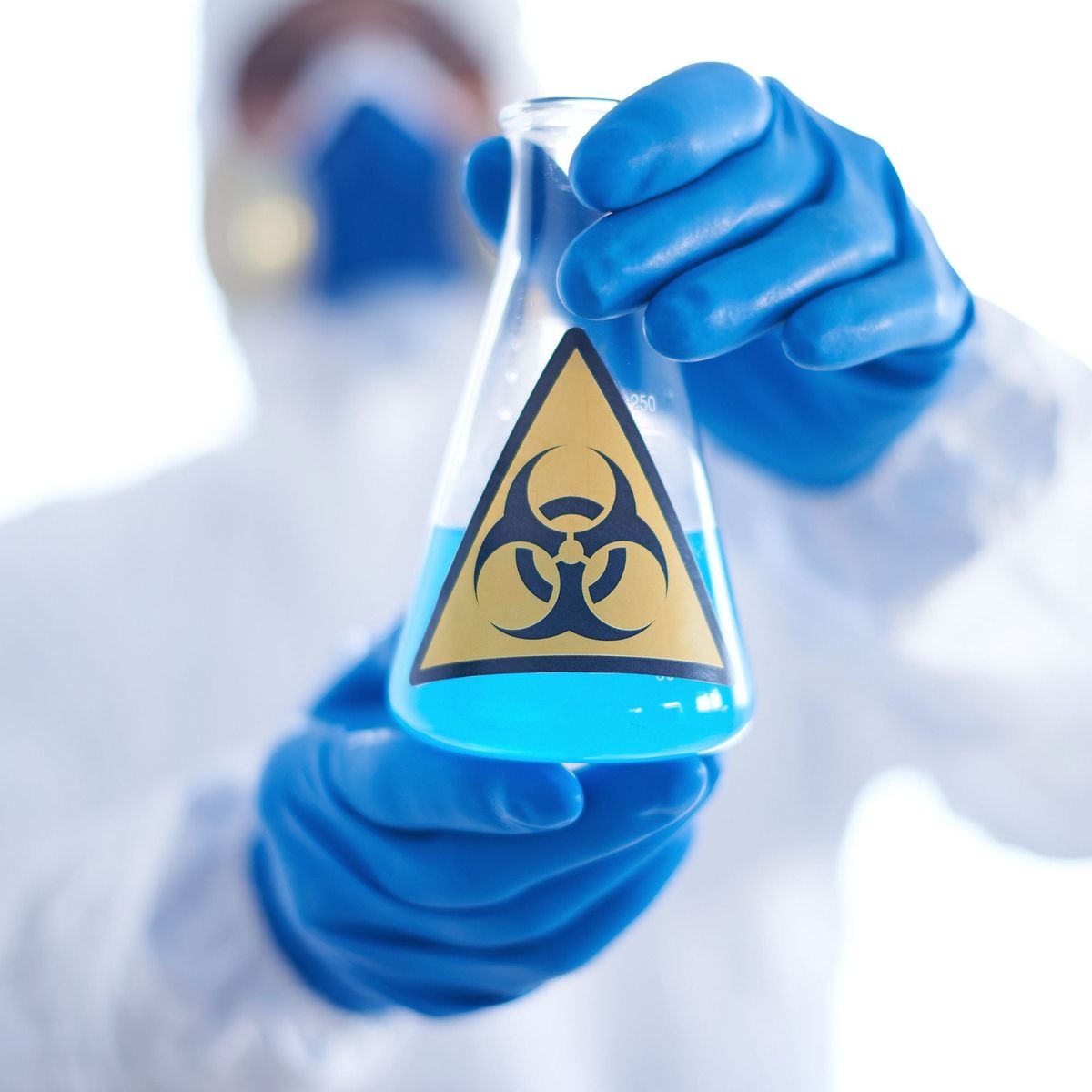
Chemicals hazardous to health are used in many Malaysian workplaces, including manufacturing facilities, laboratories, healthcare facilities, workshops and other industrial environments. Employees may be exposed to chemicals through activities such as handling, processing, storage, transportation or other work processes.
Under Malaysia’s Occupational Safety and Health (Use and Exposure Standards of Chemicals Hazardous to Health) Regulations 2000 (USECHH Regulations), employers have responsibilities to identify chemicals hazardous to health, assess the associated health risks and implement appropriate measures to control employee exposure.
A Chemical Health Risk Assessment (CHRA) provides a systematic approach to identifying the health hazards associated with chemicals used at the workplace, evaluating the degree of employee exposure, assessing the adequacy of existing control measures and recommending further measures where necessary.
This guide explains the key CHRA requirements in Malaysia, including the legal framework, assessment process, employer responsibilities and measures that may be required to control exposure to chemicals hazardous to health.
What Is Chemical Health Risk Assessment (CHRA)
Chemical Health Risk Assessment (CHRA) is an assessment of the health risks arising from the use of chemicals hazardous to health (CHTH) in the workplace. It evaluates how CHTH are used and assesses the potential health risks to employees, including the nature and degree of exposure and the adequacy of existing control measures.
A CHRA typically:
- Identifies chemicals hazardous to health used at the workplace and the work activities involving these chemicals.
- Considers the methods and procedures used for the production, processing, handling, storage, transportation, removal, disposal or treatment of CHTH.
- Evaluates the nature of the health hazards and the degree of employee exposure.
- Assesses the health risks arising from the use of, and potential exposure to, chemicals during work activities.
- Evaluates existing control measures and identifies additional measures that may be required, including exposure monitoring, health surveillance and employee training, where appropriate.
The Basic Definition
A Chemical Health Risk Assessment (CHRA) evaluates the health risks arising from the use of chemicals hazardous to health (CHTH) in the workplace. It considers how these chemicals are used and how employees may be exposed to them, while assessing whether existing control measures are adequate to protect employees.
A CHRA typically:
- Identifies chemicals hazardous to health that are used, handled, stored or otherwise involved in workplace activities.
- Evaluates how employees may be exposed to these chemicals during their work activities, including the nature and degree of exposure.
- Assesses existing control measures and their adequacy in controlling employee exposure.
- Provides a written assessment of the health risks arising from the use of chemicals hazardous to health, as required under the applicable Malaysian occupational safety and health requirements.
- Recommends appropriate additional control measures where necessary to reduce or adequately control the risks to employees.
Why Is CHRA Important for Malaysian Workplaces
A Chemical Health Risk Assessment (CHRA) is an important part of managing the health risks associated with chemicals hazardous to health (CHTH) in Malaysian workplaces. It helps employers identify potential chemical health hazards, assess employee exposure and evaluate whether existing control measures are adequate.
A CHRA can help employers to:
- Identify potential health hazards associated with chemicals used or handled at the workplace.
- Assess employee exposure by considering the nature and degree of exposure arising from workplace activities.
- Evaluate existing control measures and determine whether additional measures are required to adequately control exposure.
- Determine the need for further actions, such as exposure monitoring, health surveillance, personal protective equipment (PPE), or employee training, where appropriate.
- Support compliance with Malaysia’s occupational safety and health requirements relating to chemicals hazardous to health.
By conducting an appropriate CHRA and implementing the recommended control measures, employers can take a systematic approach to reducing employees’ risks associated with exposure to chemicals hazardous to health.
CHRA and Malaysia’s USECHH Regulations 2000
The Occupational Safety and Health (Use and Exposure Standards of Chemicals Hazardous to Health) Regulations 2000 (USECHH Regulations 2000) provide the legal framework for controlling exposure to chemicals hazardous to health (CHTH) in Malaysian workplaces. The Regulations establish requirements relating to the identification of CHTH, health risk assessment, exposure control, exposure monitoring, health surveillance, information and training, labelling, and record keeping.
Under the USECHH Regulations, an employer must not carry out work that may expose, or is likely to expose, an employee to CHTH unless a written assessment of the risk to the employee’s health has been made. DOSH guidance states that the assessment should be carried out by a registered CHRA assessor.
Key Requirements
- Legal Basis: CHRA is conducted within the legal framework established by the USECHH Regulations 2000.
- Regulation 9: Employers must have a written assessment of the health risks arising from CHTH before carrying out work that may expose employees to those chemicals.
- Registered Assessor: The employer must ensure that the chemical health risk assessment is conducted by a CHRA assessor registered with DOSH.
- Control of Exposure: Where the assessment identifies excessive exposure or inadequate controls, employers are required to take appropriate action to eliminate or reduce exposure. DOSH states that such action may include changes to processes, work practices, procedures, plant or engineering controls.
- Scope: The assessment covers workplace activities involving CHTH, including production, processing, handling, storage, transport, removal, disposal and treatment.
- Review: A CHRA should be reviewed when there is a significant change in the relevant work, at least every five years, or when directed by the Director General or relevant DOSH authority, as specified in the applicable requirements.
Who Needs a Chemical Health Risk Assessment
A Chemical Health Risk Assessment (CHRA) is not limited to large manufacturing facilities. The requirement can apply to workplaces of different sizes and across various industries where employees may be exposed to chemicals hazardous to health (CHTH) during work activities.
Workplaces that may require a CHRA include, for example:
- Manufacturing and processing facilities where chemicals are used in production processes.
- Laboratories and healthcare facilities where employees handle hazardous chemicals.
- Workshops and maintenance facilities where chemicals such as solvents, cleaning agents, paints or other hazardous substances are used.
- Industrial and commercial facilities where CHTH are stored, handled, transported, processed or disposed of as part of work activities.
- Other workplaces where employees may be exposed to CHTH through their work processes.
The key consideration is not the size of the business or the industry alone, but whether employees may be exposed, or are likely to be exposed, to chemicals hazardous to health during workplace activities. Under the USECHH Regulations 2000, employers have duties to assess and control the health risks arising from such exposure.
What Types of Workplace Chemical Activities Are Assessed
A Chemical Health Risk Assessment (CHRA) considers not only the chemicals present at a workplace, but also how they are used and the work activities that may result in employee exposure. The assessment considers the nature of the work, methods and procedures used, potential routes of exposure, and the adequacy of existing control measures.
Depending on the workplace, activities assessed may include production, processing, handling, storage, transportation, removal, disposal and treatment of chemicals hazardous to health (CHTH).
Production and Processing
CHRA considers work activities in which chemicals are manufactured, formulated, mixed, processed or otherwise used as part of a production process. This may include activities involving the transfer, mixing, formulation, application or processing of chemicals where employees may be exposed.
Storage and Handling
The assessment also considers how chemicals are stored and handled at the workplace. This may include the receiving, transferring, dispensing, loading, unloading and movement of chemicals, as well as the procedures used to prevent spills, leaks and unintended exposure.
The assessor evaluates the potential for employee exposure during these activities and considers whether the existing storage and handling controls are adequate.
What Chemicals Can Create Workplace Health Risks
Different chemicals can present different types and degrees of health hazards depending on their properties, concentration, route of exposure and duration of exposure. A CHRA considers the specific chemicals used at the workplace and evaluates the potential health risks to employees.
Examples of chemicals that may present workplace health hazards include:
- Acids and alkalis – Certain corrosive substances can cause burns or serious damage to the skin and eyes following contact.
- Organic solvents – Exposure to certain solvents, particularly through inhalation or skin contact, may cause acute or chronic health effects depending on the substance and level of exposure.
- Heavy metals – Certain metals and their compounds may cause adverse health effects following inhalation, ingestion or skin exposure, depending on the substance and exposure conditions.
- Pesticides – Some pesticides can be harmful through inhalation, skin absorption or ingestion, depending on their chemical properties and toxicity.
- Toxic or harmful gases – Certain gases may cause harmful health effects when inhaled. The effects depend on the gas, concentration and duration of exposure.
Other chemicals that may require assessment include carcinogens, mutagens, reproductive toxicants, sensitising agents, compressed gases and chemicals that may cause specific target-organ toxicity.
The presence of a chemical does not, by itself, determine the level of risk. A CHRA considers the hazardous properties of the chemical together with how it is used, the potential for employee exposure and the effectiveness of existing control measures.
How Is a Chemical Health Risk Assessment Conducted
The DOSH CHRA Manual provides a structured approach for assessing the health risks arising from the use of chemicals hazardous to health (CHTH) in the workplace. The scope and level of detail of the assessment may vary depending on the chemicals involved, work processes, workplace conditions, employee exposure and existing control measures.
| Stage | What It Involves |
|---|---|
| 1. Information Gathering | Collect relevant information such as the chemical register, current Safety Data Sheets (SDS), quantities used or stored, work processes, work units, work areas, tasks, number of employees potentially exposed and available information on chemical exposure and existing controls. |
| 2. Workplace Observation | Conduct a workplace inspection and observe actual work activities, chemical handling practices, work procedures, potential routes of exposure and existing control measures. The assessor also considers conditions that may differ from documented procedures or information provided. |
| 3. Hazard and Exposure Assessment | Identify the health hazards associated with the chemicals and evaluate the nature and degree of employee exposure based on the chemicals, work activities, exposure routes, frequency and duration of exposure, and workplace conditions. |
| 4. Risk Evaluation and Control Measures | Evaluate the risk to employee health and assess the adequacy of existing control measures. Where necessary, recommend additional measures to eliminate or reduce exposure. The assessment may also identify the need for exposure monitoring, health surveillance or employee training. |
| 5. CHRA Report and Recommendations | Document the findings, risk evaluation, existing controls and recommendations in the CHRA report. The employer can use the findings to implement appropriate measures for controlling exposure to chemicals hazardous to health. |
What Does a CHRA Assessment Look At
Under Regulation 9(2) of the USECHH Regulations 2000, a Chemical Health Risk Assessment (CHRA) evaluates the potential health risks arising from exposure to chemicals hazardous to health (CHTH). The assessment considers the workplace activities, exposure conditions and existing control measures to determine what actions may be necessary to protect employees.
The assessment covers:
- Potential health risks to employees arising from exposure to CHTH.
- Methods and procedures used in the handling and use of CHTH at the workplace.
- Nature of the health hazards associated with the chemicals.
- Degree of employee exposure to the chemicals.
- Risk to health arising from the use and release of chemicals during work processes.
- Measures and procedures required to control employee exposure to CHTH.
- Accidental emission controls, including measures, procedures and equipment required in the event of leakage, spillage, process failure or equipment failure.
- Exposure monitoring, including whether an employee exposure monitoring programme is necessary.
- Health surveillance, including whether a health surveillance programme is necessary.
- Training and retraining, including the requirements for employees who work with or may be exposed to CHTH.
What Is Included in a CHRA Report
A CHRA report documents the assessor’s findings, risk evaluation and recommendations arising from the assessment. Under Regulation 12(1) of the USECHH Regulations 2000, the appointed assessor must furnish the assessment report to the employer within one month of completing the assessment.
The report should provide sufficient information for the employer to understand the identified health risks and implement the necessary control measures and follow-up actions.
A CHRA report typically includes:
- Workplace details, including the name and address of the workplace.
- Chemicals assessed, including relevant chemical information, hazard descriptions and hazard ratings.
- Work units and work activities where the chemicals are used or where employees may be exposed.
- Methods and procedures involved in the use, handling and other relevant activities involving chemicals hazardous to health (CHTH).
- Nature of the health hazards and potential routes of employee exposure.
- Exposure assessment, including the degree of exposure and relevant exposure conditions.
- Risk evaluation and conclusions regarding the potential risk to employee health.
- Existing control measures and an assessment of their adequacy.
- Recommendations for further action, including measures to eliminate or reduce actual or potential exposure.
- Exposure monitoring requirements, where the assessment identifies a need for an employee exposure monitoring programme.
- Health surveillance requirements, where the assessment identifies a need for a health surveillance programme.
- Training and retraining requirements, where applicable.
- Assessment and assessor details, including the date of the assessment and the name and position of the assessor or assessment team.
What Control Measures Can Be Recommended After CHRA
Where the CHRA report indicates that action is required, the employer shall implement appropriate measures to eliminate or reduce the actual or potential exposure of employees to chemicals hazardous to health. Under the USECHH Regulations 2000, such measures may include changes to work processes, practices, procedures, plant or engineering control equipment. The control measures should reduce exposure to the lowest practicable level or, where a permissible exposure limit applies, below the applicable limit.
The recommended control measures may include:
- Elimination – eliminate the use of the hazardous chemical or eliminate the process that creates the exposure, where practicable.
- Substitution – replace the hazardous chemical with a less hazardous chemical where practicable.
- Enclosure and isolation – totally enclose the process or handling system, or isolate the work to prevent or minimise the emission of hazardous chemicals.
- Engineering controls – implement appropriate engineering control equipment, such as local exhaust ventilation (LEV), containment systems or other suitable technical controls.
- Process modification – modify process parameters or work processes to eliminate or reduce employee exposure.
- Safe work systems and practices – establish and implement safe work procedures, handling practices and other administrative controls that eliminate or minimise the risk to health.
- Personal protective equipment (PPE) – provide suitable and approved PPE where required, as part of the overall exposure control strategy.
- Training and retraining – provide appropriate information, instruction, training and retraining to employees on the hazards, safe handling procedures and control measures.
- Emergency and accidental emission controls – establish measures, procedures and equipment to control accidental emissions arising from leakage, spillage, process failure or equipment failure.
- Exposure monitoring and health surveillance, where indicated by the CHRA findings, to verify the effectiveness of controls and to monitor employees where necessary.
When Is Exposure Monitoring Required After CHRA
Exposure monitoring is not automatically required simply because a chemical is considered “high risk.” Under Regulation 26 of the USECHH Regulations 2000, exposure monitoring is required where the assessment of risk to health indicates that monitoring is necessary, or where monitoring is necessary to ensure that adequate control of employees’ exposure to chemicals hazardous to health (CHTH) is maintained.
The CHRA assessor determines whether an exposure monitoring programme is necessary based on the assessed exposure and the effectiveness of existing control measures.
- For chemicals listed in Schedule II: Where an employee is exposed or likely to be exposed to a chemical listed in Schedule II, the required exposure monitoring must be repeated at intervals of not more than six months, or at shorter intervals determined by the assessor. Monitoring shall continue at this frequency until the assessor is satisfied that further monitoring is no longer required.
- Approved monitoring and analysis method: Exposure monitoring must be conducted in accordance with an approved method of monitoring and analysis. DOSH’s 2022 guidance further states that airborne CHTH monitoring should be conducted using a validated method of monitoring and analysis.
- Who conducts the monitoring: Under Regulation 26(3), exposure monitoring must be conducted by a DOSH-registered Hygiene Technician, except where the monitoring is limited to checking for toxic or flammable gases and oxygen levels in a confined space before entry.
- Monitoring records: Employers are required to maintain monitoring records. Records representing personal exposure must generally be kept for at least 30 years, while other monitoring records must be kept for at least five years.
CHRA and Health Surveillance
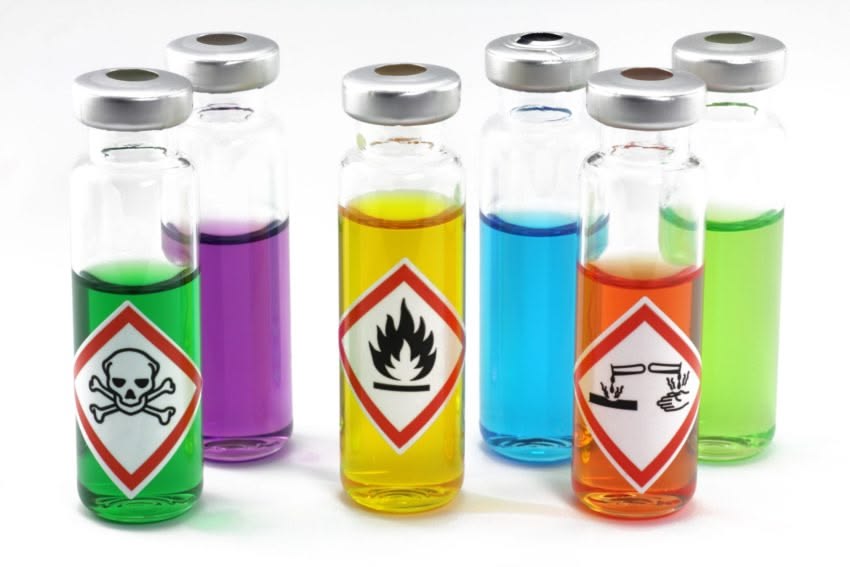
Health surveillance is separate from exposure monitoring. Under Regulation 27 of the USECHH Regulations 2000, where the CHRA indicates that health surveillance is necessary to protect employees who are exposed or likely to be exposed to chemicals hazardous to health (CHTH), the employer shall establish and implement a health surveillance programme.
- Medical surveillance: The medical surveillance component of the health surveillance programme shall be carried out by an Occupational Health Doctor (OHD) registered with DOSH and holding a valid registration.
- For Schedule II chemicals: Where an employee is exposed or likely to be exposed to a chemical hazardous to health listed in Schedule II, the health surveillance programme shall include medical surveillance at intervals of not more than 12 months, or at shorter intervals determined by the OHD or an occupational safety and health officer who is also a medical practitioner.
- Health surveillance is broader than medical surveillance: Health surveillance may include medical surveillance as well as relevant biological monitoring, biological effect monitoring, enquiries about symptoms and review of occupational health records or history, depending on the health risks identified. DOSH’s CHRA Manual explains that medical surveillance may itself include physical examination and medical investigations, including biological monitoring and/or biological effect monitoring where appropriate.
- Record keeping: The employer must maintain the health surveillance record, or a copy of it, for 30 years from the date of the last entry.
How Often Should CHRA Be Reviewed or Reassessed
Under Regulation 10 of the USECHH Regulations 2000, a chemical health risk assessment (CHRA) shall be reviewed when more than five years have elapsed since the last assessment. An earlier review is also required where there has been a significant change in the work to which the assessment relates, or where the review is directed by the Director General, Deputy Director General or Director of Occupational Safety and Health.
A significant change may include changes that could alter the chemical health risk or the level of employee exposure, such as:
- Changes in the chemicals used or handled, including the introduction of new chemicals.
- Significant changes in the quantity or utilisation of CHTH, which may affect the level of exposure.
- Changes in work methods, processes or rate of work, which may affect employee exposure.
- Deterioration in the effectiveness of control equipment, such as ventilation or containment systems.
- Plant or process failure, where this may result in a change in exposure or risk.
- New information on the hazards or health effects of a chemical, where this may affect the assessment.
- New or improved control measures, which may warrant reassessment of the affected work units to determine whether the existing risk assessment remains appropriate. The CHRA Manual specifically provides for reassessment where significant changes or new/improved control measures have occurred.
Therefore, a CHRA should not be treated as a document that is simply renewed every five years without considering changes at the workplace. The five-year period is a maximum review point under Regulation 10, while significant changes may require an earlier review.
Who Can Conduct CHRA in Malaysia
Under Regulation 11, the employer must ensure that an assessment required under Part IV is conducted by an assessor. The Regulations define an assessor as an employee or other person appointed by the employer and registered with the Director General to carry out assessments of risks to health.
Registered Assessor
- The assessor must be registered with the Director General of Occupational Safety and Health.
- The assessor conducts the assessment using the applicable CHRA methodology/manual.
- The assessor furnishes the completed assessment report to the employer within one month.
- If the assessment identifies a situation likely to cause immediate danger to life or property, the assessor must immediately inform the employer.
Common Mistakes Employers Make When Managing Chemicals
- Treating CHRA as a one-time document and ignoring significant changes.
- Assuming the five-year point is the only time reassessment is needed.
- Assuming every chemical automatically requires a CHRA without checking whether it falls within the USECHH scope and definition of CHTH.
- Assuming a high-risk finding automatically means Regulation 26 monitoring is required, without considering what the assessment indicates and the requirements of Regulation 26.
- Failing to act on control recommendations after receiving the assessment report.
- Failing to keep chemical information, exposure monitoring and health surveillance records as required.
What to Prepare for a CHRA Assessment
Before a CHRA is conducted, the employer should ensure that relevant chemical, workplace and exposure information is available to the assessor. This helps the assessor understand the chemicals used, work activities, potential exposure routes and existing control measures.
The following information should be prepared:
- Chemical register: Maintain an up-to-date register of chemicals hazardous to health (CHTH) used, handled or stored at the workplace, in accordance with Regulation 5 of the USECHH Regulations 2000.
- SDS and chemical information: Provide current Safety Data Sheets (SDS) and other relevant information on the hazardous chemicals. Where pesticides are used, relevant pesticide information should also be made available.
- Chemical usage and process information: Provide information on the quantities of chemicals used, produced or stored, how they are used or handled, the processes involved, work areas and relevant suppliers.
- Workforce and task information: Identify employees who are exposed or likely to be exposed to CHTH, together with their job functions, work activities, frequency and duration of exposure where available.
- Workplace procedures and monitoring records: Make relevant standard operating procedures (SOPs), safe work procedures, previous exposure monitoring results, health surveillance information where applicable, and records of incidents or chemical exposure available to the assessor.
- Access to workplace: Provide the assessor with access to the relevant work areas, processes and activities so that actual work practices, exposure conditions and existing control measures can be observed.
- Information on changes: Inform the assessor of any changes involving chemicals, processes, quantities, work methods, equipment, engineering controls, incidents, spills or leaks, and new information concerning the hazards or health effects of the chemicals.
Providing complete and current information allows the assessor to evaluate the chemical health risks more accurately and determine whether additional control measures, exposure monitoring or health surveillance are necessary.
Why Choose A&A Laboratory for CHRA
When dealing with chemicals hazardous to health in the workplace, understanding and controlling chemical health risks is essential to protecting employees. A Chemical Health Risk Assessment (CHRA) helps employers identify potential health risks arising from exposure to chemicals hazardous to health (CHTH), evaluate the level of risk, and determine appropriate measures to eliminate or reduce exposure.
A & A Scientific Resources Sdn Bhd (UiTM-A&A Laboratory) provides professional CHRA services to help organisations assess and manage chemical health risks in their workplaces. Our CHRA services focus on evaluating the chemicals used, work activities, potential exposure routes and existing control measures based on actual workplace conditions.
Our CHRA assessment can help organisations:
- Identify chemicals hazardous to health and the associated health hazards.
- Evaluate potential exposure to employees based on work activities and workplace conditions.
- Review existing control measures and identify areas where improvements may be required.
- Recommend appropriate measures to eliminate or reduce exposure, where necessary.
- Determine whether further exposure monitoring or health surveillance may be required based on the assessment findings.
- Support employers in meeting applicable occupational safety and health requirements under the Occupational Safety and Health (Use and Standards of Exposure of Chemicals Hazardous to Health) Regulations 2000 (USECHH).
By choosing A & A Scientific Resources Sdn Bhd (UiTM-A&A Laboratory), organisations can obtain a structured assessment of their chemical health risks together with practical recommendations based on the conditions observed at the workplace.
Conclusion
CHRA is a regulatory assessment of the health risks arising from the use of chemicals hazardous to health (CHTH) in the workplace. Under the Occupational Safety and Health (Use and Standards of Exposure of Chemicals Hazardous to Health) Regulations 2000 (USECHH Regulations), an employer shall not carry out work that may expose or is likely to expose employees to CHTH unless a written assessment of the risks to their health has been conducted. The CHRA assessment in Malaysia must be carried out by a DOSH registered assessor.
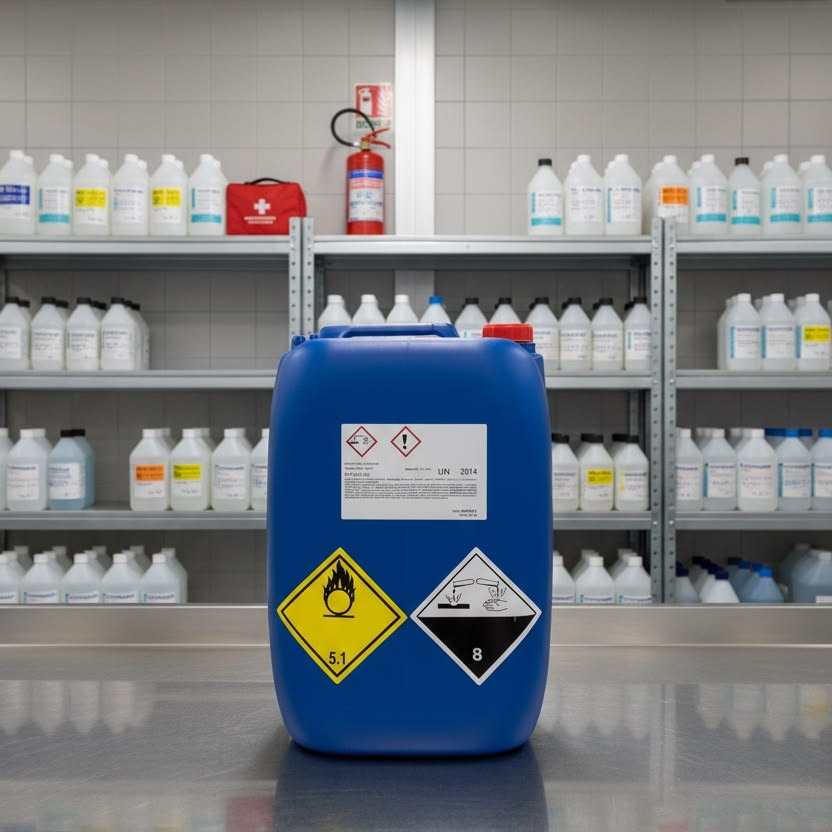
The assessment must be reviewed when there is a significant change in the work to which the assessment relates, when more than five years have elapsed since the last assessment, or when directed by the Director General, Deputy Director General, or Director of Occupational Safety and Health. Where indicated by the assessment, it also provides the basis for determining the need for employee exposure monitoring, health surveillance, training and appropriate control measures.
Related Posts


