
Chemicals hazardous to health are used in many Malaysian workplaces, including manufacturing facilities, laboratories, healthcare…
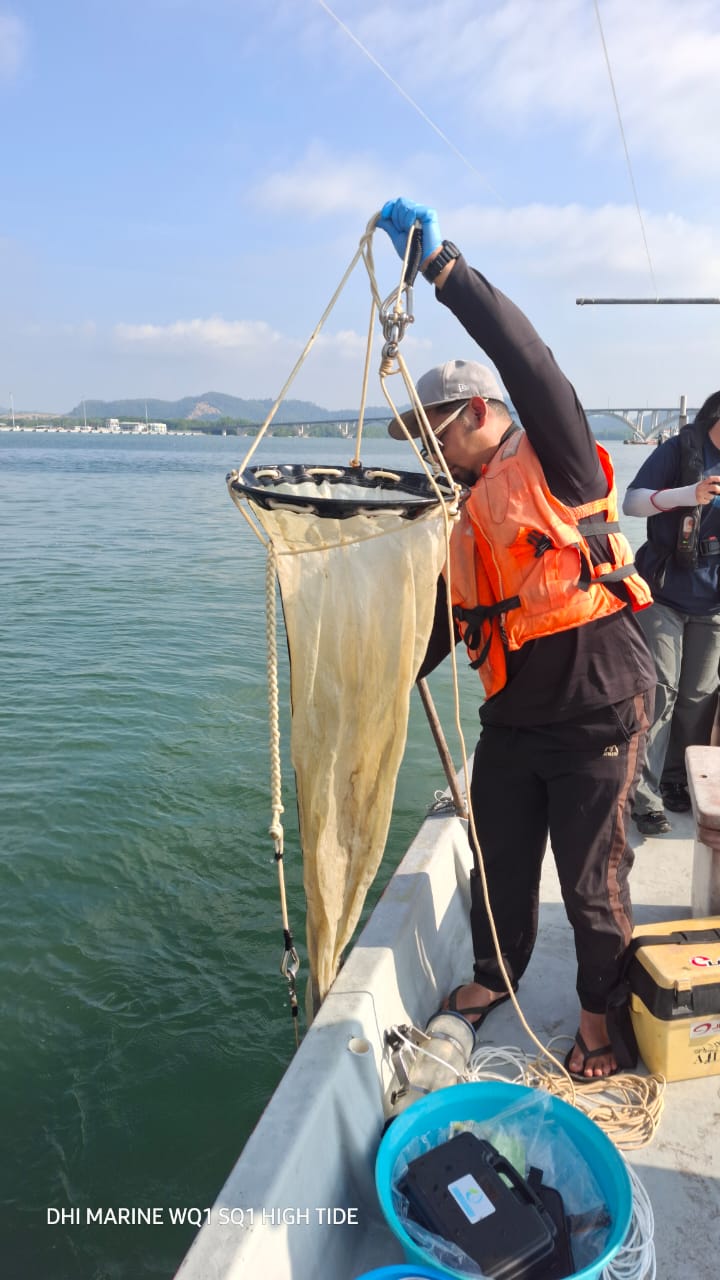
Malaysia’s coastline supports diverse marine ecosystems, including coral reefs, mangroves, fishing grounds, and busy ports. Coastal and marine development projects, such as jetty construction and land reclamation, can potentially affect these environments and therefore require appropriate environmental assessment and monitoring.
Marine environment consultant support developers, regulators, and other stakeholders by conducting surveys, assessments, and monitoring activities to help identify potential environmental impacts and meet applicable environmental requirements.
This guide explains the key services, assessments, and monitoring activities involved in marine environmental consulting in Malaysia. Whether you are planning a coastal development project or interested in marine environmental protection, this guide provides a clear overview of the process.
What Is a Marine Environment Consultant
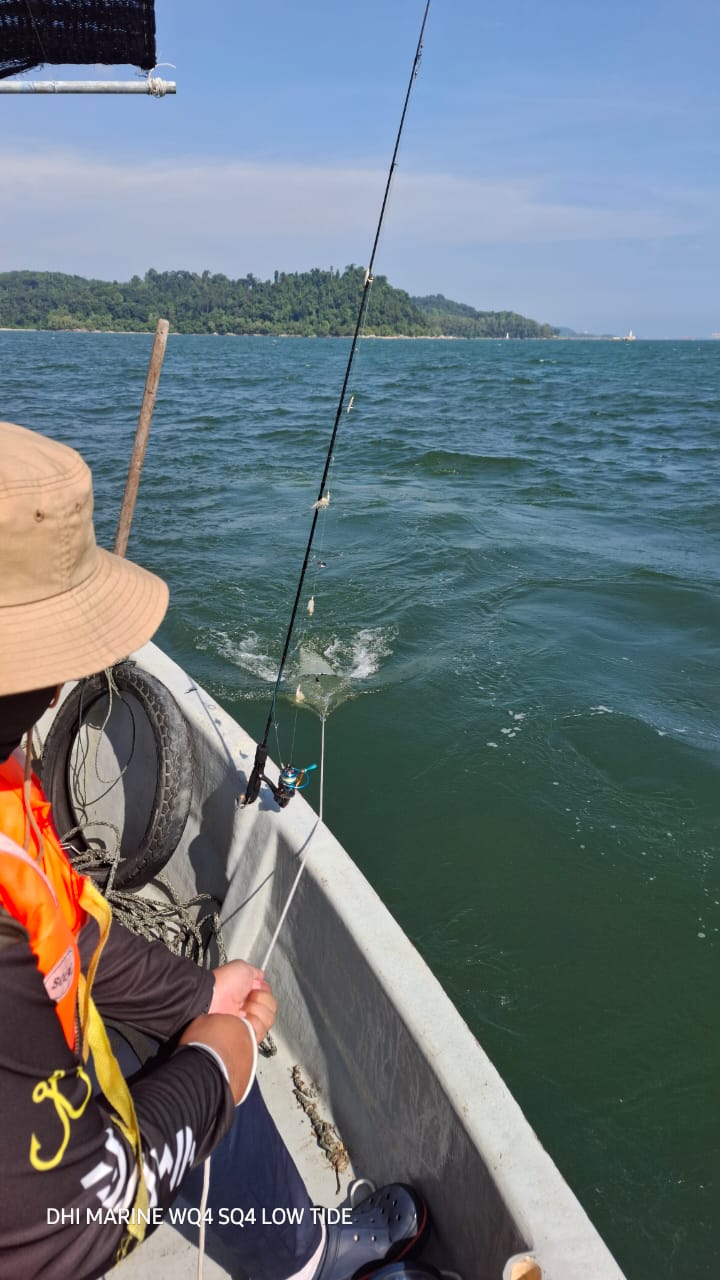
A marine environment consultant assesses how construction, industrial activities, and other development projects may affect marine ecosystems. Using scientific knowledge and practical project experience, consultants conduct environmental assessments, surveys, and monitoring to identify potential impacts and support compliance with applicable environmental requirements. Their work helps project developers make informed decisions and manage potential impacts on Malaysia’s coastal and marine environments.
The Role in Simple Terms
Marine environment consultants act as a link between development projects and the surrounding marine environment. They collect and analyse environmental data, interpret scientific findings, and provide clear recommendations that can support project planning, environmental management, and regulatory decision-making.
Why Malaysia Needs This Expertise
Coastal development, shipping, and industrial activities can place pressure on Malaysia’s marine and coastal environments. Understanding local conditions, including tides, seasonal patterns, and marine ecosystems, is important for effective field assessments and monitoring. Marine environment consultants bring local knowledge and technical expertise to help ensure that environmental assessments are appropriately designed for the specific project and site.
When Does a Project Need a Marine Environment Consultant
Certain coastal and marine development projects may require environmental studies, assessments, or monitoring as part of the applicable approval and regulatory requirements. This is particularly relevant for activities that may affect the seabed, shoreline, water quality, or marine ecosystems. Identifying these requirements early can help developers plan project timelines, budgets, and environmental monitoring activities more effectively.
Projects Near the Coastline
Projects such as ports, marinas, bridges, and coastal roads may affect nearby marine and coastal environments through activities such as sediment disturbance or changes in drainage patterns. Depending on the project type, location, and applicable requirements, environmental assessments or monitoring may be required as part of the approval process, particularly in environmentally sensitive areas.
Offshore Infrastructure
Offshore infrastructure such as pipelines, cables, and platforms may interact with marine habitats during installation, operation, and maintenance. Marine environment consultant assesses potential environmental impacts along proposed routes and provide recommendations to help minimise disturbance to marine ecosystems throughout the project lifecycle.
Common Triggers For Environmental Review Include:
- Construction activities that may disturb the seabed or shoreline.
- Dredging works that may disturb or redistribute significant amounts of sediment.
- Projects located near coral reefs, mangroves, or protected marine areas.
- Offshore infrastructure projects involving pipelines, cables, or other structures crossing marine waters.
What Does a Marine Environment Consultant Do
Marine environment consultants support projects through various stages, from initial planning and environmental assessment to field surveys, laboratory analysis, reporting, and ongoing monitoring. They collect and analyse environmental data, assess potential impacts, and prepare reports that help developers, engineers, and regulators make informed decisions.
Each stage contributes to the overall management of potential environmental impacts while helping projects address applicable environmental requirements and plan their activities effectively.
What Is a Marine Ecological Assessment
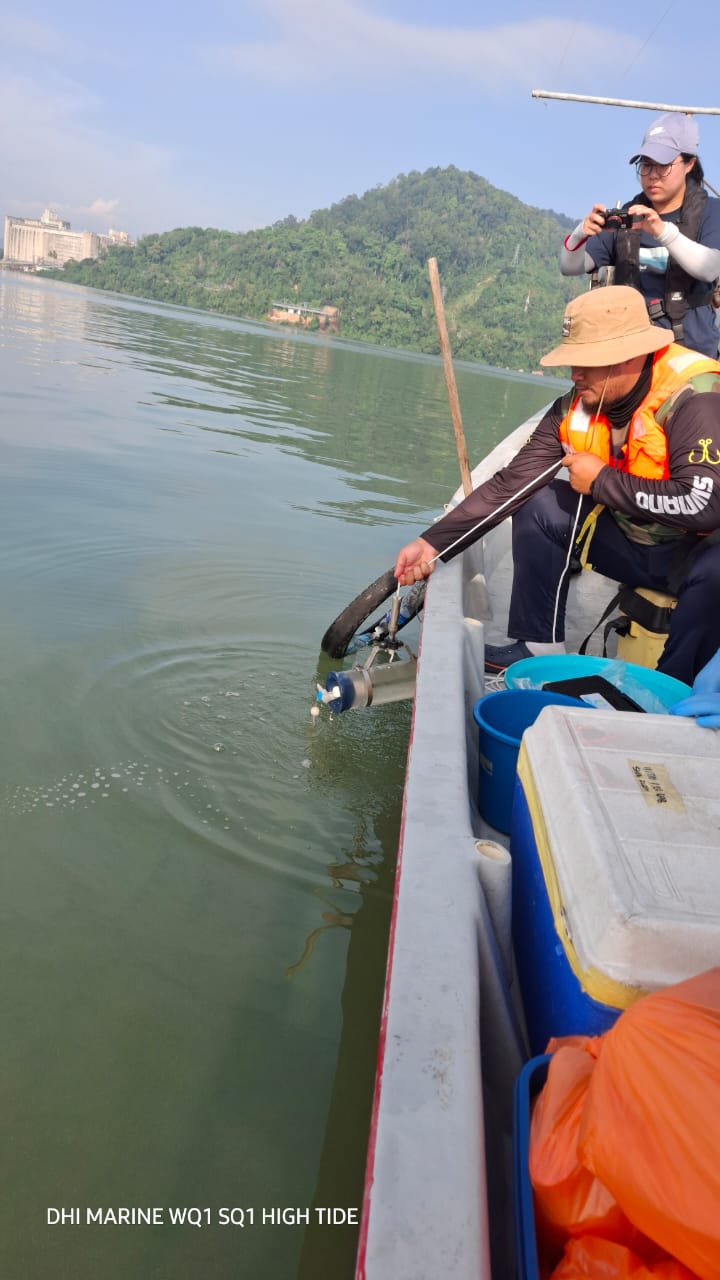
A marine ecological assessment evaluates the biological components of the marine environment, including fish, corals, seagrass, mangroves, and other marine organisms and habitats. It helps identify existing ecological conditions and assess potential impacts of proposed activities on marine ecosystems. Depending on the project and applicable requirements, the findings may support environmental assessments and regulatory submissions in Malaysia.
Purpose of the Assessment
The purpose of a marine ecological assessment is to identify species, habitats, and existing ecological conditions at or near a proposed project site before development activities begin. The findings establish baseline information that can be used to assess potential environmental impacts and to monitor changes over time. Such ecological baseline studies may form part of an Environmental Impact Assessment (EIA), where applicable, and the findings may also support the development and implementation of an Environmental Management Plan (EMP).
Who Uses the Findings
The findings provide baseline information for project proponents, EIA consultants, regulators, and environmental monitoring teams to assess potential impacts, develop appropriate mitigation measures, and monitor changes in marine ecological conditions over time
Marine Water Quality Monitoring
Marine water quality monitoring helps assess changes in the physical and chemical conditions of coastal and marine waters over time. Regular sampling and analysis can help identify changes that may indicate potential environmental impacts, allowing project teams to investigate and implement appropriate management measures. Depending on the project and monitoring objectives, consultants may assess parameters such as temperature, pH, dissolved oxygen, turbidity, salinity, nutrients, and other relevant indicators to establish baseline conditions and track changes throughout the project.
Key Water Quality Parameters Monitored Include
- Turbidity: Indicates the presence of suspended particles and changes in water clarity, which may be associated with sediment disturbance or runoff.
- Dissolved oxygen (DO): Measures the amount of oxygen available in the water and provides an important indicator of conditions for aquatic organisms.
- pH: Indicates the acidity or alkalinity of seawater and helps identify changes in water chemistry.
- Salinity: Measures the concentration of dissolved salts in seawater and can help identify changes caused by freshwater inputs, rainfall, or mixing processes.
What Is a Marine Environmental Baseline Study
A marine environmental baseline study documents the existing environmental conditions at and around a proposed project site before development activities begin. It provides a reference point for assessing potential environmental changes throughout the project lifecycle.
The study may include assessments of marine water quality, sediment characteristics, and marine ecological conditions, depending on the project scope, site characteristics, and applicable requirements. The baseline data can then be used by project teams and regulators to compare future monitoring results and evaluate changes associated with project activities.
Marine Environmental Impact Assessment and EIA in Malaysia
Malaysia’s Environmental Impact Assessment (EIA) framework sets out requirements for prescribed activities that may result in significant environmental impacts, including certain coastal and marine development projects. Understanding the applicable EIA requirements can help developers plan environmental studies, regulatory submissions, and project timelines more effectively.
The Department of Environment (DOE) administers the EIA process and evaluates environmental information submitted for applicable projects. The following sections explain the regulatory framework and how marine environmental assessments may contribute to the EIA process in Malaysia.
Legal Framework in Malaysia
The Environmental Quality Act 1974 (EQA 1974) provides the legal framework for Environmental Impact Assessment (EIA) in Malaysia. Specific prescribed activities that require an EIA are identified under the applicable EIA regulations, including certain coastal reclamation and port development projects. The EIA requirements may vary depending on the type, scale, location, and potential environmental impacts of the proposed activity.
What Marine Environmental Factors Are Considered During an Assessment
Marine environmental assessments consider several interconnected factors to provide a clearer understanding of the surrounding ecosystem. These may include marine biodiversity, marine water quality, and sediment. By assessing these factors together, environmental consultants can better identify the potential impacts of a project and support appropriate environmental planning before, during, and after project development.

Factors Examined During an Assessment Include:
- Fish & Marine Organisms: Fish study, zooplankton, phytoplankton, algae, macrobenthos, and other aquatic organisms to understand marine biodiversity and ecosystem conditions.
- Water Quality: Assessing marine water quality to identify changes that may affect aquatic life and the surrounding environment.
- Sediment: Examining sediment conditions as part of understanding the overall health of the marine environment.
- Chemical & Environmental Parameters: Analysing relevant parameters to identify potential environmental changes and support compliance with applicable environmental standards.
How Is a Marine Environmental Assessment Conducted
A marine environmental assessment involves field sampling, laboratory analysis, and evaluation of marine ecological conditions. Depending on the project requirements, assessments may examine marine biodiversity, water quality, sediment conditions, and aquatic organisms such as fish, plankton, algae, and other marine organisms. The findings provide valuable information to help identify potential environmental impacts and support informed decisions for sustainable project development and environmental compliance.
Common Marine Environmental Impacts From Development Projects
Coastal and marine development projects can affect surrounding marine ecosystems, with the extent of the impact depending on factors such as the type, scale, and location of the project. Activities such as dredging, reclamation, wastewater discharge, and other human activities may affect marine biodiversity and the condition of aquatic ecosystems. Identifying potential impacts early through environmental assessment and ecological monitoring can help project teams develop appropriate mitigation measures and support sustainable project development.
Sedimentation and Turbidity
Activities such as dredging can affect marine ecosystems by increasing suspended materials in the water and altering sediment conditions. Monitoring water quality and sediment health helps assess potential changes in the marine environment and identify impacts associated with coastal and marine development activities.
Habitat Disturbance
Coastal and marine development activities can disturb sensitive marine ecosystems and affect the habitats that support marine biodiversity. Environmental assessment and ecological monitoring help identify potential impacts on marine ecosystems and support appropriate measures to minimise environmental disturbance.
How Marine Environmental Monitoring Helps Manage Project Impacts
Marine environmental monitoring provides data on the condition of aquatic ecosystems and helps identify potential impacts from human activities or development projects. By assessing marine biodiversity and ecological conditions over time, monitoring can provide valuable information to support Environmental Impact Assessments (EIA), environmental planning, and informed decision-making. These findings can also help project teams identify potential environmental concerns and support appropriate measures for sustainable development.
How Monitoring Supports Better Project Management:
- Identifies Changes in Environmental Conditions: Monitoring helps detect changes in water quality, sediment conditions, and marine biodiversity.
- Supports Environmental Compliance: Reliable monitoring data helps project teams assess environmental conditions and support compliance with applicable regulations.
- Provides Data for Decision-Making: Monitoring results provide valuable information to help identify potential environmental concerns and support appropriate management measures.
- Creates a Reliable Record: Consistent monitoring and analysis provide documented environmental data that can support project evaluation, reporting, and future assessments.
Why Marine Biodiversity Monitoring Matters
Marine biodiversity monitoring helps assess the condition of aquatic ecosystems and track changes in biodiversity over time. Long-term monitoring can provide more accurate information about the ecological condition of a target area compared with a single assessment. The findings can help industries, consultants, and regulators better understand potential impacts from human activities or development projects and support informed decisions for environmental management and sustainable development.
What Should You Look for in a Marine Environment Consultant
Marine biodiversity monitoring helps assess the condition of aquatic ecosystems and track changes in biodiversity over time. Long-term monitoring can provide more accurate information about the ecological condition of a target area compared with a single assessment. The findings can help industries, consultants, and regulators better understand potential impacts from human activities or development projects and support informed decisions for environmental management and sustainable development.
Qualities Worth Checking Before Hiring a Consultant:
- Local Regulatory Knowledge: Familiarity with Malaysia’s environmental regulations, EIA requirements, and applicable DOE guidelines.
- Access to Accredited Testing: Ability to support environmental assessments with reliable laboratory testing and accurate analytical data.
- Relevant Project Experience: Experience in environmental assessment, monitoring, and consultancy for projects with similar environmental requirements.
- Clear Reporting & Communication: Ability to provide clear reports, explain findings effectively, and recommend appropriate environmental management measures.
Marine Environment Consultant vs Environmental Laboratory
Marine environmental consultants and environmental laboratories can play different but complementary roles in environmental projects. Consultants may focus on environmental assessment, planning, and regulatory requirements, while laboratories provide sampling, monitoring, and analytical testing to generate reliable environmental data. Understanding these roles helps project teams identify the appropriate services needed to support environmental assessments, compliance, and informed project planning.
| Marine Environment Consultant | Environmental Laboratory |
|---|---|
| Helps plan relevant fieldwork and interpret environmental findings within the wider project context. | Conducts technical tests on environmental samples collected from various sites to assess water, soil, air, and other environmental parameters. |
| Compiles assessment findings and supports environmental documentation and regulatory submissions. | Provides reliable and accredited test results that can support environmental assessments, monitoring, and regulatory requirements. |
| Supports communication with relevant regulatory authorities regarding environmental requirements and the assessment process. | Maintains strict quality and accreditation standards to ensure the accuracy, reliability, and consistency of laboratory results. |
Benefits of Working With a Marine Environment Consultant
Working with a marine environment consultant can help project teams better understand potential environmental impacts and regulatory requirements from the early stages of a project. Proper environmental assessment and planning can support regulatory submissions, identify potential environmental concerns, and help teams develop appropriate environmental management measures. This can contribute to better-informed project planning and support compliance with applicable environmental requirements.
Key Benefits of Early Consultant Involvement:
- Supports the preparation of technically sound environmental reports and regulatory submissions.
- Helps identify potential environmental concerns at an early stage.
- Provides environmental information to support informed project planning and decision-making.
- Helps develop appropriate measures to manage potential environmental impacts and support compliance.
Why Choose A&A Laboratory for Marine & Ecological Testing?
A&A Laboratory pairs accredited testing with hands-on field experience across Malaysia’s coastal projects. The team provides marine ecological surveys, water quality monitoring, and baseline studies to support environmental assessments and compliance with Malaysian regulatory requirements.
Services Offered Include:
- Ecological Surveys: Covering marine biodiversity studies, including fish ID, zooplankton, Phytoplankton, algae, and other aquatic organisms.
- Water Monitoring: Assessing marine water quality through relevant environmental parameters.
- Sediment Assessment: Examining sediment conditions as part of marine ecological assessment.
- EIA Support: Providing environmental assessment and consultancy services to support project planning and regulatory requirements.
Conclusion
Marine environmental assessment and monitoring play an important role in understanding and managing the potential impacts of development activities on marine ecosystems. Early environmental assessment provides project teams with scientific information and supports compliance with relevant environmental requirements.
Starting with appropriate environmental assessments and continuing with regular monitoring can provide a clearer understanding of changes in marine biodiversity, water quality, and sediment conditions over time. With reliable environmental data and professional support, project teams can make informed decisions and implement appropriate measures to support responsible and sustainable development in Malaysia.
Related Posts


