
Chemicals hazardous to health are used in many Malaysian workplaces, including manufacturing facilities, laboratories, healthcare…
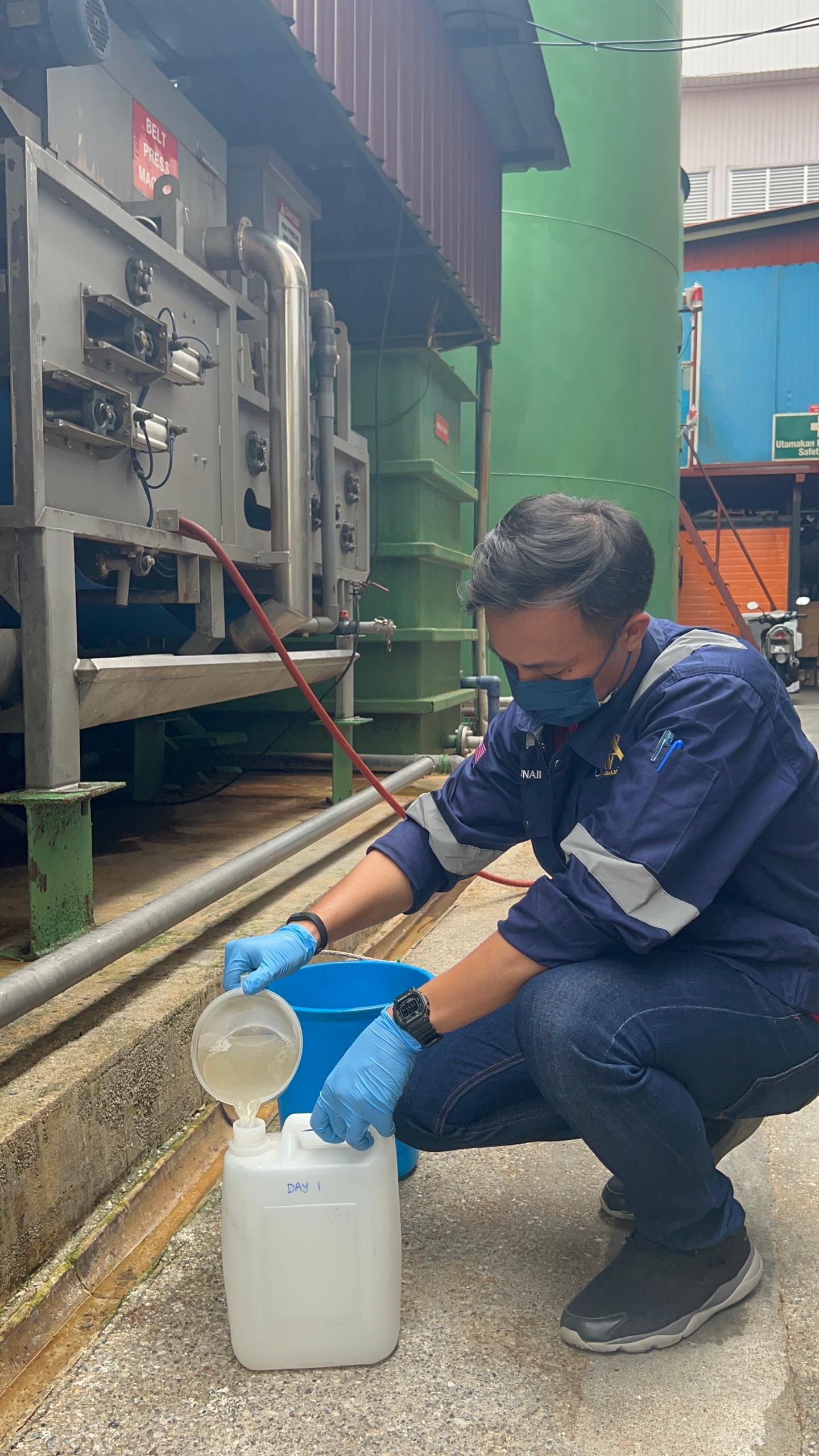
Every day, factories, hospitals, and treatment plants generate wastewater from their operations. Prior to discharge, the water must be tested to ensure compliance with the applicable water quality standards stipulated by the Department of Environment (DOE) and to prevent pollution of the environment. This is where effluent water testing plays an important role.
In Malaysia, proper monitoring and treatment of industrial effluent are essential to help industries meet environmental requirements, prevent pollution, and protect surrounding ecosystems. This guide covers the key parameters, testing methods, importance, and compliance requirements for effluent water testing.
What Is Effluent Water Testing
Effluent water testing involves analyzing wastewater discharged from industrial facilities, factories, and other premises to assess its quality and identify potential pollutants. The test results are compared against the limits specified under the Environmental Quality (Industrial Effluent) Regulations 2009 to ensure compliance with the applicable standards and help prevent pollution and potential impacts on rivers, drains, coastal waters, and the surrounding environment.
The Basic Definition
Effluent refers to wastewater discharged from sources such as industrial facilities/factories, processing plants, and wastewater treatment systems. It is tested to assess its quality and determine whether the discharge comply with the regulatory requirements.
- Source variety: Effluent can come from industrial facilities, hospitals, agricultural activities, and sewage treatment plants, depending on the type of wastewater and applicable regulations.
- Testing purpose: Determines whether pollutants in the discharged water are within the permitted limits.
- Regulatory link: Test results can support environmental monitoring, compliance records, and reporting requirements to the relevant authorities.
Why Businesses Need It
Proper effluent testing enables industrial operators to monitor wastewater quality and ensure compliance with DOE’s standards before and during discharge. Without adequate monitoring, pollutants may enter rivers, drains, coastal waters, or other receiving environments, potentially causing environmental harm and regulatory issues.
- Legal protection: Testing provides evidence that wastewater quality meets applicable discharge requirements.
- Risk reduction: Regular monitoring helps identify potential issues early and reduce the risk of non-compliance and penalties.
- Trust building: Proper monitoring and reliable records demonstrate a commitment to responsible environmental management.
Why Is Effluent Water Testing Important
Dirty or poorly treated effluent can contain chemicals, heavy metals, microorganisms, and other pollutants that may harm the environment and public health. Effluent testing helps identify these contaminants and determine whether they are within the permitted limits before discharge.
This monitoring helps protect public health, safeguard aquatic ecosystems, and reduce the risk of environmental pollution and regulatory non-compliance.
Protecting Public Health
Untreated or poorly managed wastewater can potentially contaminate surface water and groundwater, including sources used for water supply. Effluent testing helps identify harmful pollutants and assess whether the discharge meets applicable environmental standards.
Proper wastewater treatment and monitoring help reduce the risk of contaminants entering the environment and protect public health.
Protecting the Environment
If pollutants enter freshwater sources, they may adversely affect aquatic life and surrounding plants and crops. Some forms of water pollution can have long-term effects on ecosystems and may take years to recover. Therefore, proper effluent treatment and regular monitoring are essential to help protect water resources and the environment.
Avoiding Legal and Financial Trouble
Environmental authorities (DOE) set discharge limits and requirements for industries to help control pollutants released into rivers and other receiving waters. Failure to meet these requirements may result in enforcement action, including fines, penalties, or other regulatory measures, depending on the severity of the offence.
Regular effluent testing helps industries monitor their discharge and demonstrate compliance with applicable environmental requirements.
What Is the Difference Between Wastewater and Effluent
These words are commonly used in place of each other, but there is a big difference between them.
| Wastewater | Effluent |
|---|---|
| Wastewater is water that has been used by homes, industries, hospitals, farms, or other activities and may require treatment before it can be reused or safely discharged into the environment. | Effluent is wastewater that flows out from a facility, usually after treatment. It may be discharged into rivers, drains, coastal waters, or other receiving environments, provided it meets the applicable discharge requirements. |
| The composition of effluent varies depending on its source and may contain pollutants such as detergents, chemicals, oils and grease, pesticides, organic matter, and other contaminants. | Effluent generally represents wastewater after treatment, although its quality still needs to be monitored to assess any remaining pollutants and determine whether it meets applicable discharge requirements before being released into the environment. |
| Effluent testing helps businesses evaluate how effectively their treatment systems handle incoming pollutant loads and monitor treatment performance over time. | Helps businesses verify through compliance testing that their effluent discharge meets applicable legal limits and requirements before being released into rivers, drains, or coastal waters. |
What Parameters Are Tested During Effluent Water Testing
Effluent water testing covers a range of physical, chemical, and biological parameters. Each parameter provides valuable information on the quality of the effluent and helps determine whether the discharge complies with the regulatory requirements stipulated under the Environmental Quality (Industrial Effluent) Regulations 2009.
How Is Effluent Water Testing Conducted
The effluent water testing process follows a clear sequence, from sample collection to final reporting. Each step is important, as proper sampling, handling, analysis, and reporting help ensure the accuracy and reliability of the final results.
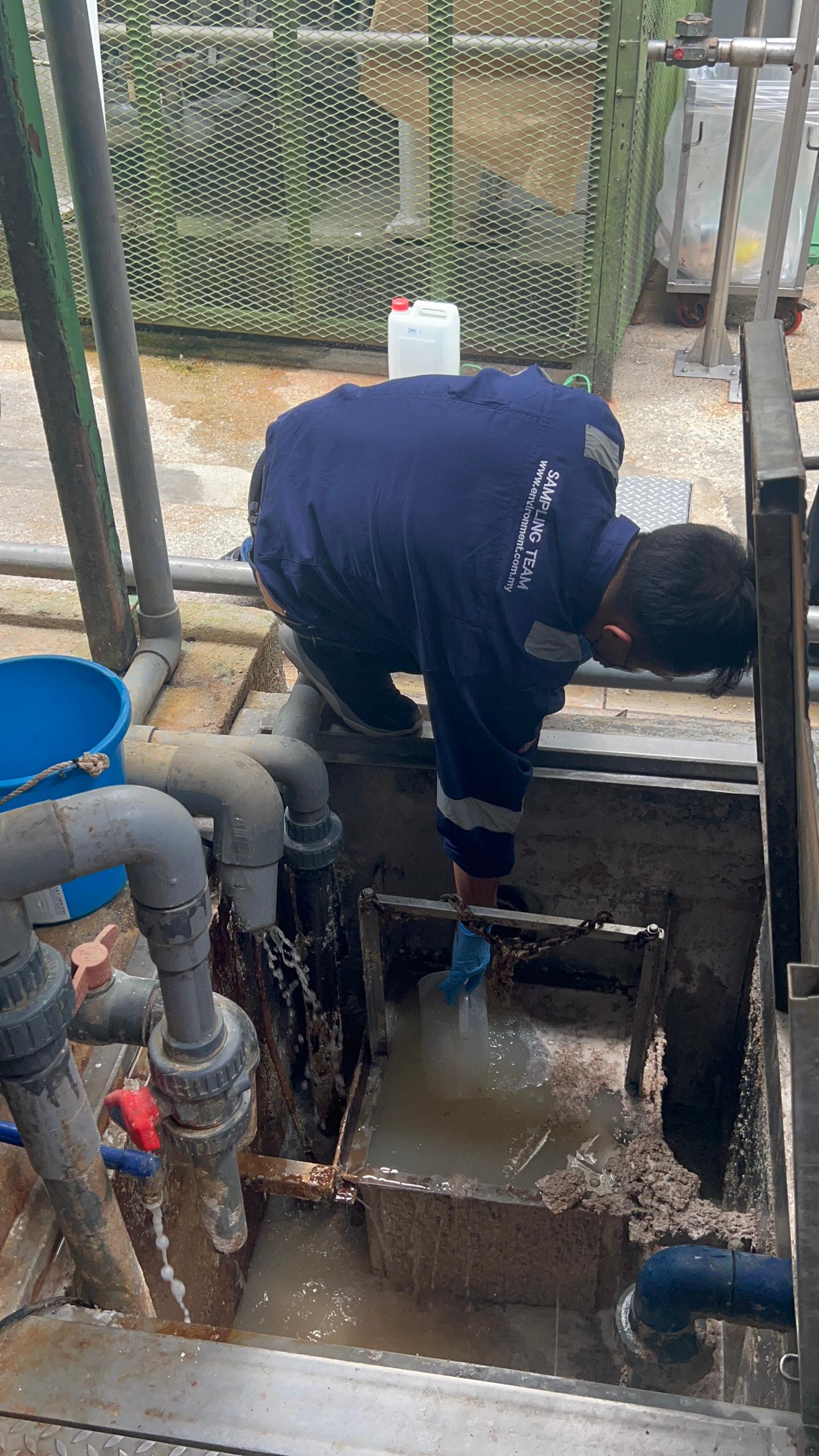
Sample Collection
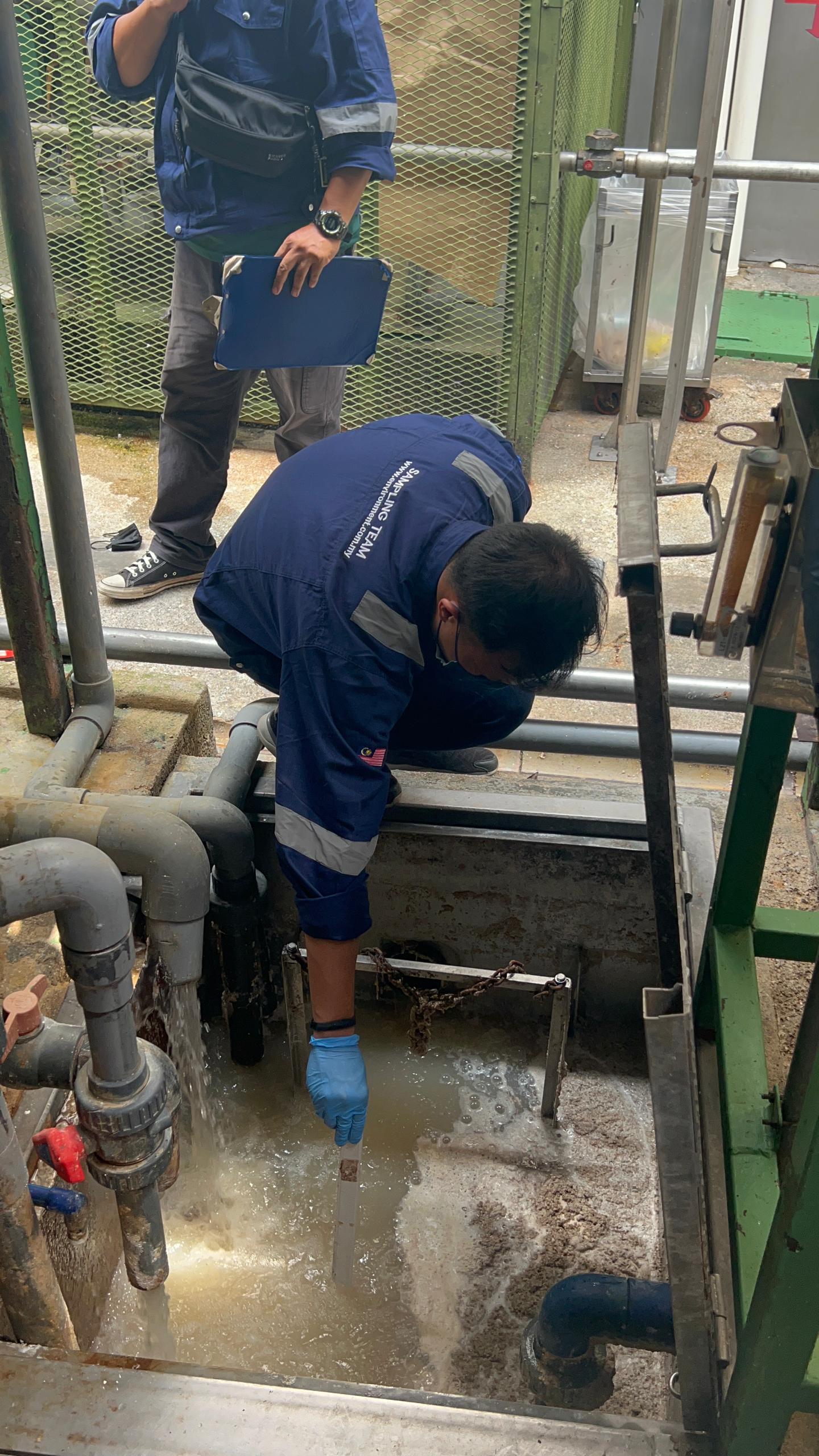
Technicians collect effluent samples from designated discharge points using appropriate sampling containers and procedures. Proper sample collection is essential, as incorrect sampling or handling can affect the accuracy and reliability of the test results.
Laboratory Analysis
The collected water samples are transported to a water testing laboratory for analysis. The testing is conducted by an accredited laboratory in accordance with the applicable APHA methods.
Reporting and Interpretation
After testing, the laboratory provides a report summarizing the results for each parameter and indicating whether they meet the applicable standards or regulatory limits. Businesses can use these results to assess compliance, identify potential issues, and determine areas that may require further attention or improvement.
What Are the Benefits of Regular Effluent Water Testing
Regular effluent water testing provides benefits beyond regulatory compliance. Consistent monitoring helps businesses identify potential issues early, assess treatment system performance, maintain compliance, and support better environmental management.
Key Advantages of Testing
- Early detection: Regular testing helps identify changes or increases in pollutant levels before they lead to potential compliance issues.
- Operational efficiency: Consistent monitoring provides useful information for treatment system maintenance and operational improvements.
- Stronger reputation: Demonstrating consistent environmental monitoring can help build trust with regulators, customers, and surrounding communities.
- Cost management: Early identification of potential issues can help businesses address problems promptly and reduce the risk of unexpected costs or regulatory penalties.
When Should Industries Conduct Effluent Water Testing
Regular effluent testing enables industries to monitor the quality of their discharge and identify potential issues in a timely manner. The testing frequency shall be carried out in accordance with the requirements of the Environmental Quality (Industrial Effluent) Regulations 2009.
How Does Effluent Water Testing Support Environmental Compliance in Malaysia
Malaysia has established environmental regulations governing effluent discharge in accordance with the requirements of the Environmental Quality (Industrial Effluent) Regulations 2009.
Regular testing plays an important role in supporting compliance. Accurate and consistent testing helps industries monitor their discharge quality against applicable standards and requirements set by the Department of Environment (DOE).
Effluent Water Testing vs Drinking Water Testing
These two types of water testing serve different purposes, even though both focus on water quality. Effluent testing helps monitor pollutants in wastewater discharged from industrial or other facilities, while drinking water testing assesses water intended for human consumption to ensure it meets applicable safety and quality requirements.
Understanding the difference helps businesses and individuals determine which type of water testing is appropriate for their specific needs.
| Effluent Water Testing | Drinking Water Testing |
|---|---|
| Checks wastewater discharged from industrial facilities and other premises to assess its quality, identify potential pollutants, and determine whether it meets applicable environmental standards and discharge requirements. | Tests water intended for human consumption to assess its quality and identify potential contaminants, ensuring it meets applicable drinking water safety and quality standards. |
| Focuses on relevant parameters such as heavy metals, Chemical Oxygen Demand (COD), and other pollutants that may be associated with specific industrial activities and processes. | The analysis covers parameters such as pathogens, microbial contaminants, nitrates, fluoride, and other substances that may affect the safety and quality of water intended for human consumption. |
| Effluent discharge is assessed against the applicable Standard A or Standard B discharge limits specified under the Environmental Quality (Industrial Effluent) Regulations 2009, depending on the classification of the receiving water body. | Testing follows applicable drinking water quality standards and guidelines, focusing on parameters that may affect the safety and suitability of water for human consumption. |
Why Use a Professional Water Testing Laboratory
Accurate and reliable test results depend on proper sampling, handling, testing procedures, and laboratory expertise. A SAMM accredited laboratory with suitable equipment, qualified personnel can provide reliable results that businesses can use for environmental monitoring and regulatory compliance.
Accuracy and Reliability
A professional water testing laboratory uses calibrated equipment and standardized testing procedures to ensure accurate and reliable results. Proper quality control throughout the testing process helps minimize errors and supports accurate assessment of water quality.
Trained Technical Staff
Skilled technicians are trained to collect and handle samples correctly, perform testing procedures accurately, and interpret results appropriately. Their expertise plays an important role in ensuring the quality and reliability of the final test results.
Certified and Accredited Processes
Reputable laboratories may hold SAMM accreditation from the Department of Standards Malaysia (DSM) in accordance with MS ISO/IEC 17025, demonstrating their technical competence and commitment to quality. Accredited laboratories follow established testing methods and quality management procedures to help ensure the accuracy, consistency, and reliability of their test results.
How to Choose an Effluent Water Testing Laboratory in Malaysia
Choosing the right effluent water testing laboratory can help businesses obtain reliable results and support their environmental compliance needs. Key factors to consider include laboratory accreditation, testing capabilities, relevant experience, sampling procedures, reporting practices, and client reviews.
Key Factors to Consider
- Accreditation status: Choose laboratories accredited by the Department of Standards Malaysia (Standards Malaysia) or other recognised accreditation bodies, where applicable.
- Turnaround time: Ask about the laboratory’s typical turnaround time, especially when urgent testing is required following spills, leaks, or other incidents.
- Service range: Consider laboratories that offer a suitable range of physical, chemical, and biological testing services based on your specific testing requirements.
- Client feedback: Review client feedback or request references to assess the laboratory’s reliability, service quality, and professionalism.
How Should Businesses Interpret Effluent Test Results
Receiving an effluent test report is only one part of the process. Understanding the results, comparing them with applicable standards, and monitoring trends over time are equally important for effective environmental and regulatory compliance. Careful interpretation of test results can help businesses identify potential issues early, evaluate treatment performance, and make informed decisions about corrective actions and future monitoring.
Common Mistakes to Avoid During Effluent Testing
Even careful businesses can make mistakes during the effluent testing process. Errors in sample collection, scheduling, sample handling, or laboratory selection can affect the accuracy and reliability of test results and may lead to compliance issues. Identifying and avoiding these common mistakes can help businesses maintain reliable testing practices, reduce potential risks, and support regulatory compliance.
Sample and Schedule Errors
- Incorrect timing: Sampling at inappropriate times or outside the required sampling schedule may result in samples that do not accurately represent the effluent discharge conditions.
- Poor sample handling and storage: Improper handling, preservation, or storage can affect sample integrity and compromise the reliability of test results.
- Missed testing schedules: Failing to conduct required or scheduled testing can create gaps in monitoring records and may contribute to compliance issues.
- Ignoring abnormal results: Overlooking elevated or non-compliant results can delay corrective actions and increase the risk of recurring compliance issues.
Why Choose A & A Scientific Resources for Water Testing?
Choosing the right laboratory partner is important for obtaining reliable test results and supporting environmental compliance. A & A Scientific Resources provides professional water testing services supported by experienced personnel, suitable laboratory equipment, and established testing procedures. With a range of testing services and clear reporting, the laboratory helps businesses monitor water quality, assess potential environmental risks, and meet their applicable testing and regulatory requirements.
Conclusion
Clean water is essential for protecting communities, ecosystems, and businesses. Effluent water testing helps businesses identify pollutants, monitor discharge quality, and support compliance with Malaysian environmental requirements. Regular testing can help detect potential issues early and improve wastewater management. A & A Scientific Resources provides reliable water testing services and professional support to help businesses meet their environmental monitoring needs. Contact us today to learn more about our water and effluent testing services.
Related Posts


